Office Design for Remote Teams: Making the Commute Worth It
- Amodini Systems
- 0 Comments
Office design for remote teams means creating an office space that gives employees a real reason to come in, even when they can work from home. Today, many employees work remotely or follow a hybrid work model. Because of this, offices are no longer just places to sit and work on a computer. They must offer something extra.
A well-designed office for remote teams focuses on comfort, collaboration, flexibility, and experience. It makes employees feel that coming to the office is worth their time, travel, and effort. When done right, office design can improve teamwork, creativity, motivation, and job satisfaction.
Modern office design is not about filling rows of desks. It is about supporting how people actually work today. This includes meetings, teamwork, focused work, social interaction, and mental well-being.
Why Office Design Matters for Remote and Hybrid Teams
Remote work has changed employee expectations. People now compare the comfort of their home with the office. If the office does not offer value, employees prefer staying home.
Good office design helps bridge this gap. It gives employees a place where they can connect with colleagues, share ideas easily, and feel part of a team.
An office that is thoughtfully designed can also reduce stress. It can make employees feel energized instead of tired. When people enjoy the office environment, they are more willing to commute.
Making the Office a Place People Want to Visit
To make the commute worth it, the office must feel welcoming and purposeful. Employees should not feel like they are coming in just to sit on video calls.
The office should support activities that are difficult to do remotely. These include brainstorming sessions, team meetings, training, and informal discussions.
When employees feel that the office helps them work better and connect with others, they are more likely to visit regularly.
Flexible Office Layouts for Modern Work
One of the most important aspects of office design for remote teams is flexibility. Not every employee comes in every day. Some may come once or twice a week.
Because of this, offices should not rely only on fixed seating. Flexible layouts allow spaces to be used in different ways depending on the day and team size.
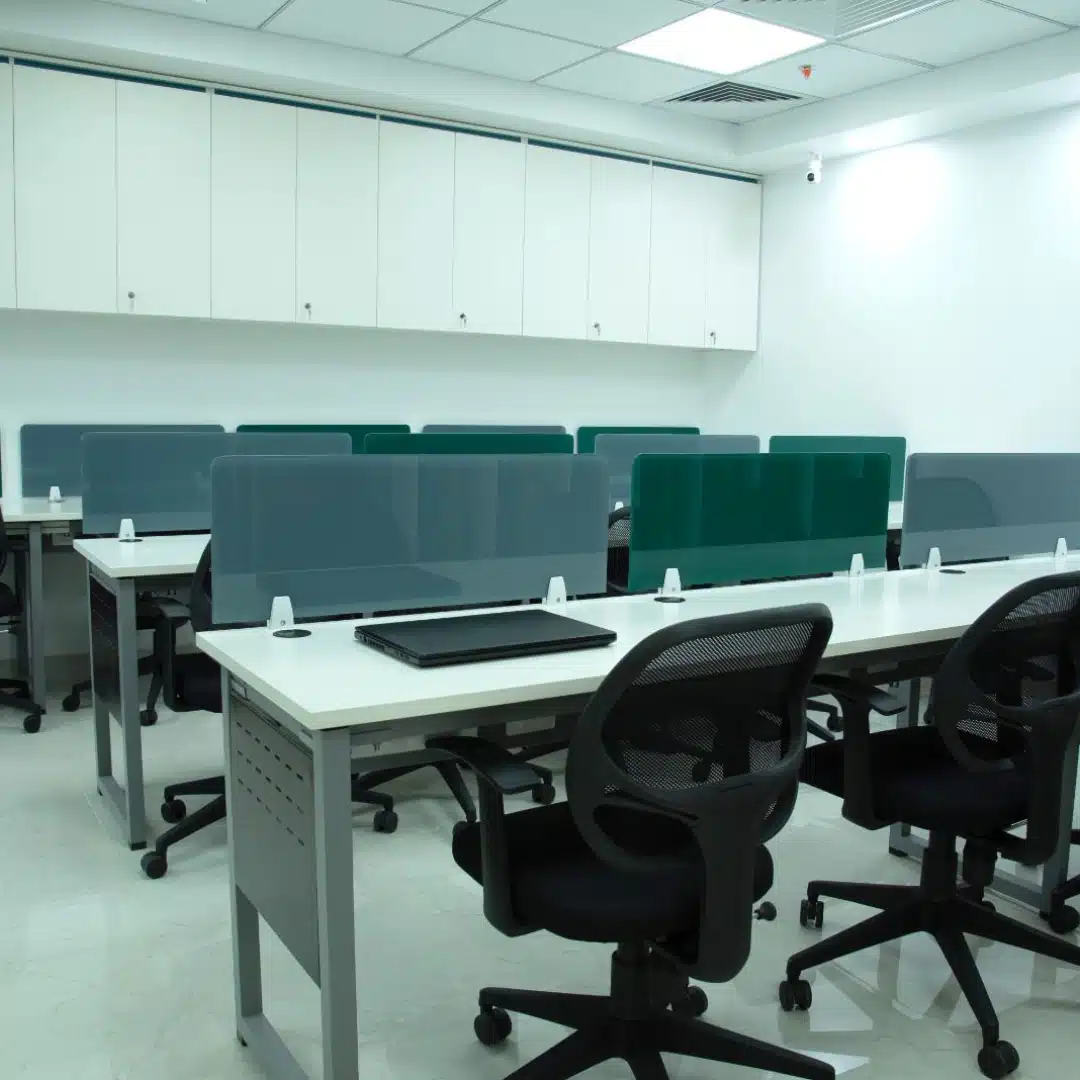
Movable furniture, shared desks, and open areas help teams adapt quickly. This flexibility ensures that space is never wasted and always useful.
Collaboration Spaces That Encourage Teamwork
Remote teams often miss face-to-face collaboration. Office design should focus on bringing this back in a meaningful way.
Collaboration spaces are areas designed for group work, discussions, and idea sharing. These spaces should feel open, comfortable, and easy to use.
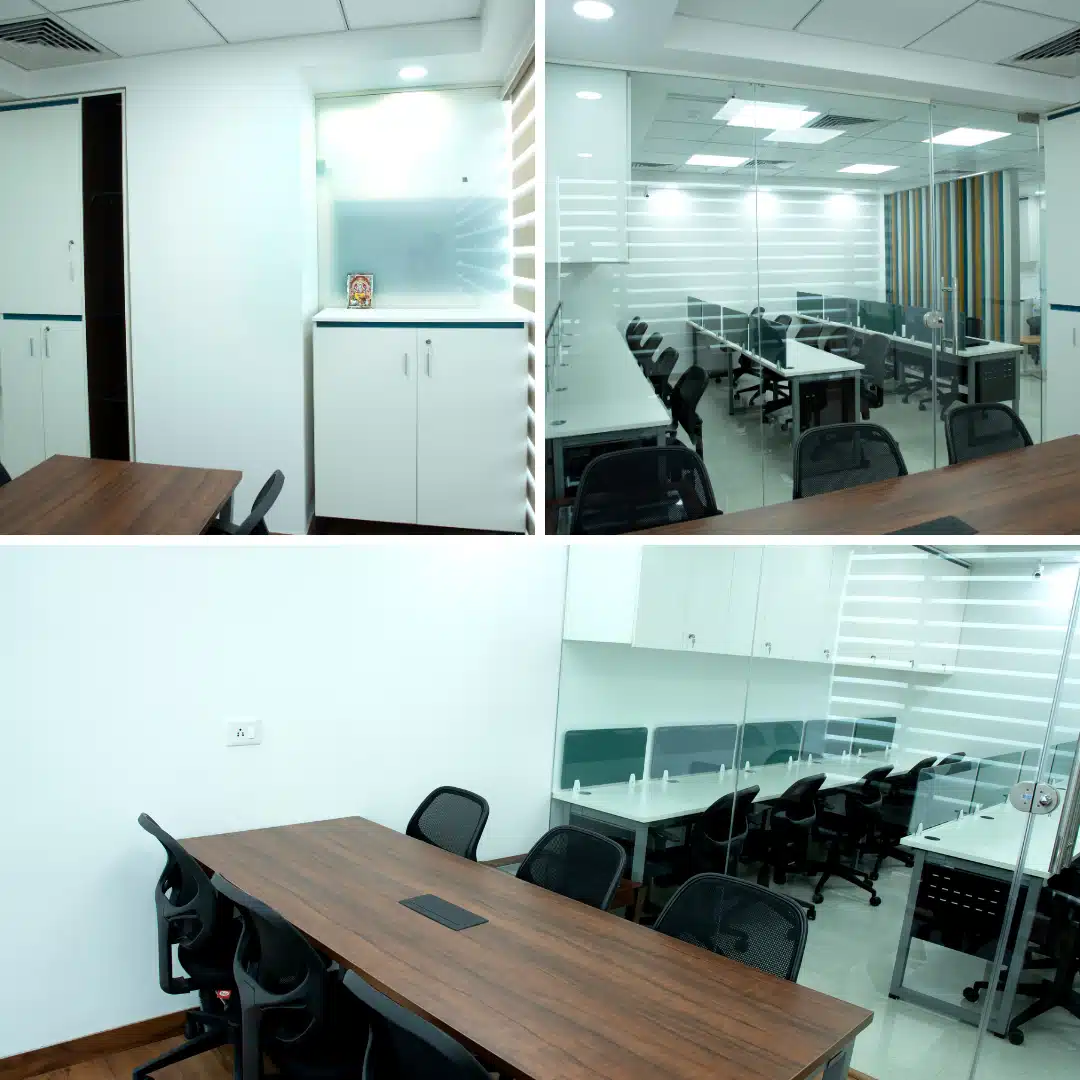
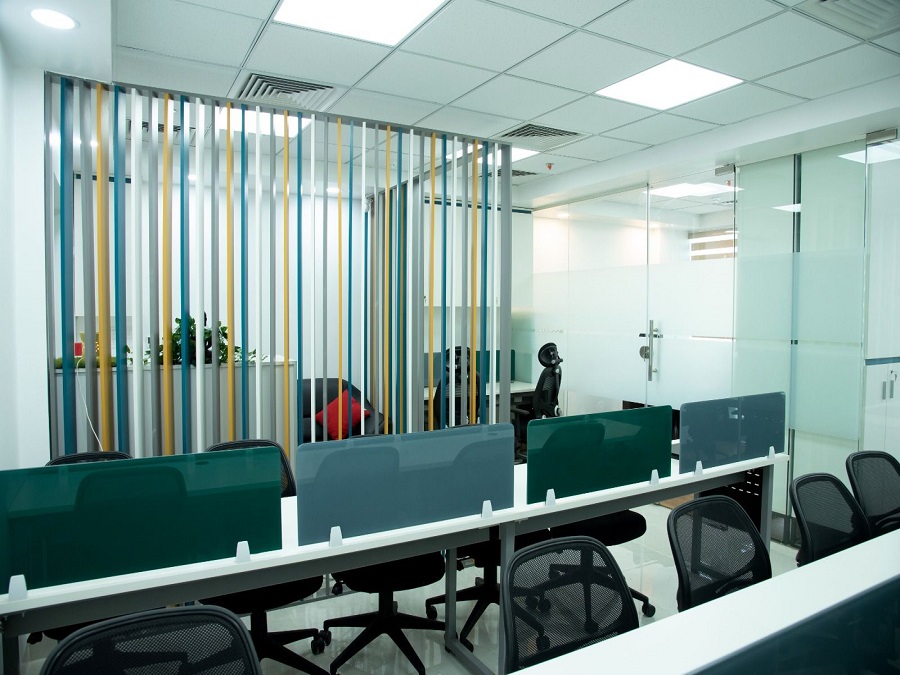
Whiteboards, screens, comfortable seating, and good lighting help teams work together effectively. These areas make the office valuable because they support real interaction.
Quiet Zones for Focused Work
While collaboration is important, employees also need quiet time. Many people work from home because they can focus better there.
A good office design includes quiet zones where employees can work without distractions. These areas should be separate from busy collaboration spaces.
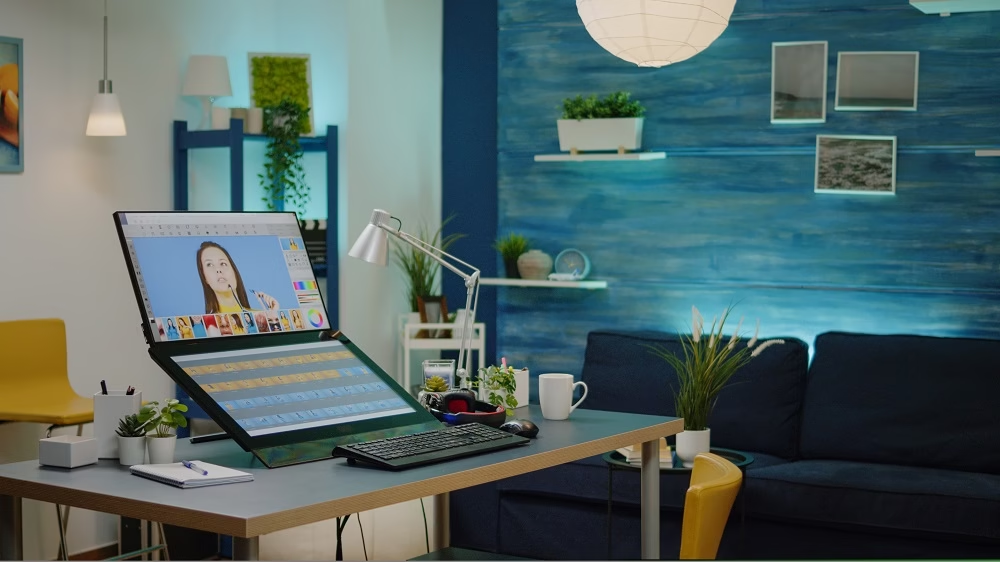
Soundproof rooms, focus pods, and designated silent areas help employees concentrate. This balance between teamwork and focus makes the office more productive.
Technology That Supports Remote and In-Office Teams
Technology plays a major role in office design for remote teams. The office should be equipped with tools that make communication smooth.
Meeting rooms should have good audio and video systems. This ensures remote employees feel included in discussions.
Fast internet, charging stations, and smart screens help employees work efficiently. When technology works without issues, employees feel less frustrated and more engaged.
Comfort and Ergonomics in Office Design
Comfort is one of the biggest reasons people prefer working from home. Offices must match or exceed this comfort.
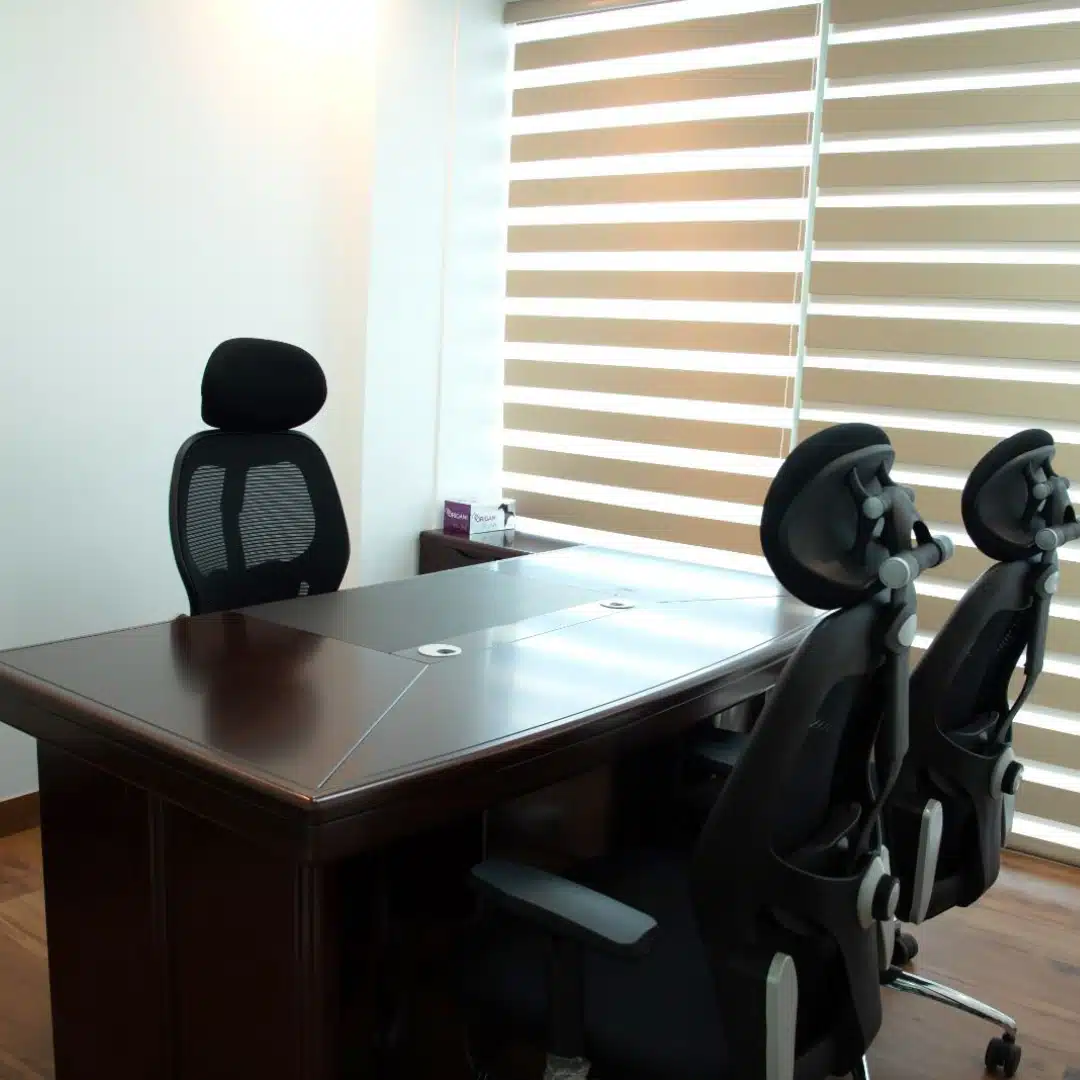
Ergonomic chairs, adjustable desks, and proper lighting help reduce physical strain. Comfortable seating areas also allow employees to relax and recharge.
When employees feel physically comfortable, they can focus better and stay longer in the office without feeling tired.
Natural Light and Office Atmosphere
Natural light has a strong impact on mood and productivity. Offices designed with large windows and open spaces feel more pleasant.
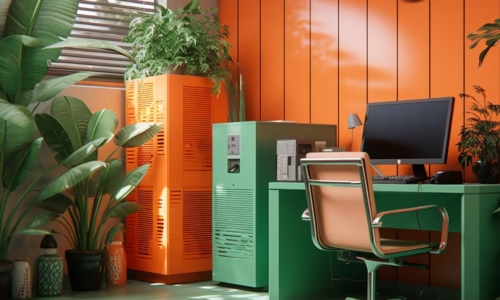
Good lighting reduces eye strain and helps employees feel more alert. Fresh air and indoor plants also improve the atmosphere.
A positive office environment makes employees feel good about coming in. It turns the office into a place they enjoy rather than avoid.
Social Spaces That Build Team Culture
Remote work can sometimes feel isolating. Offices should help rebuild social connections.
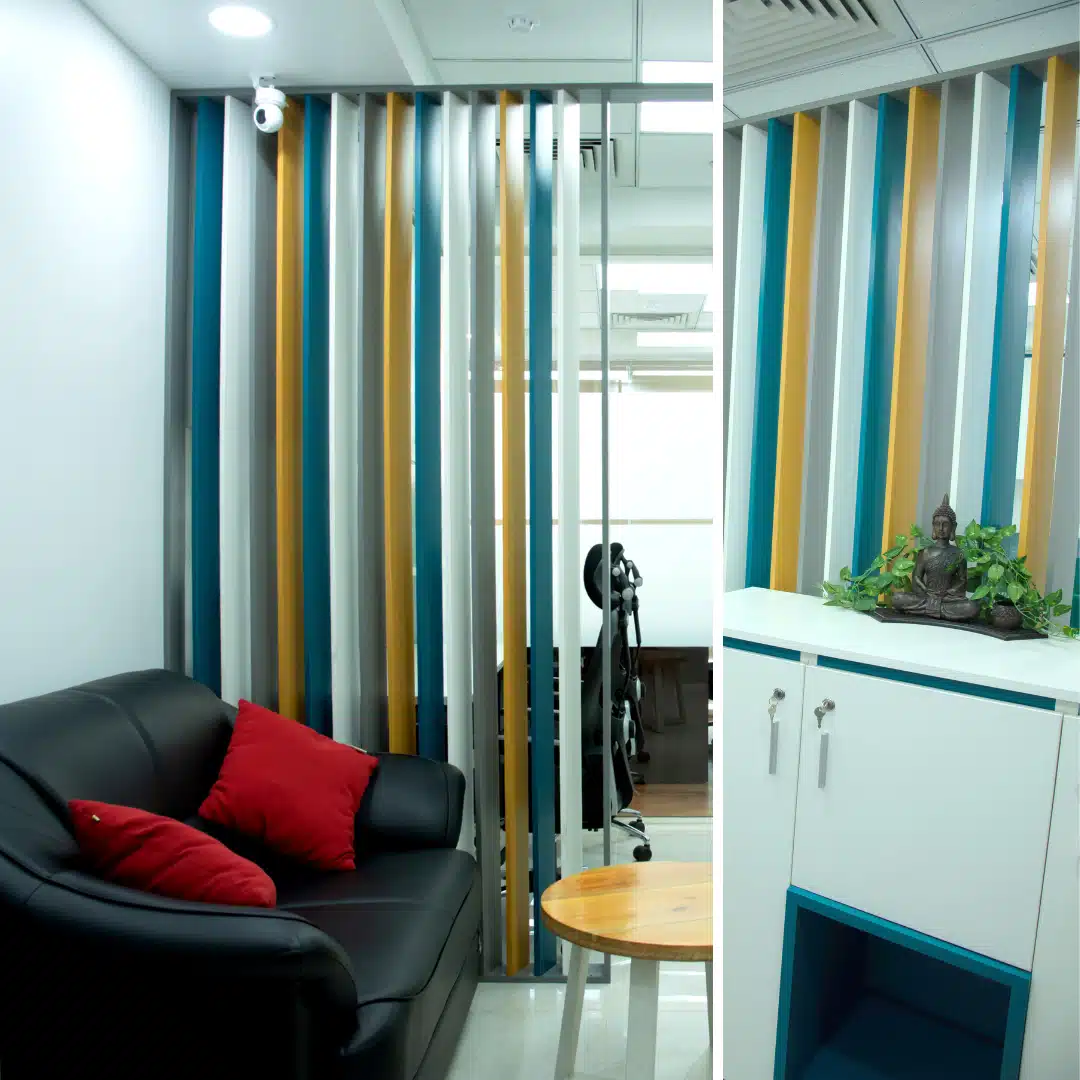
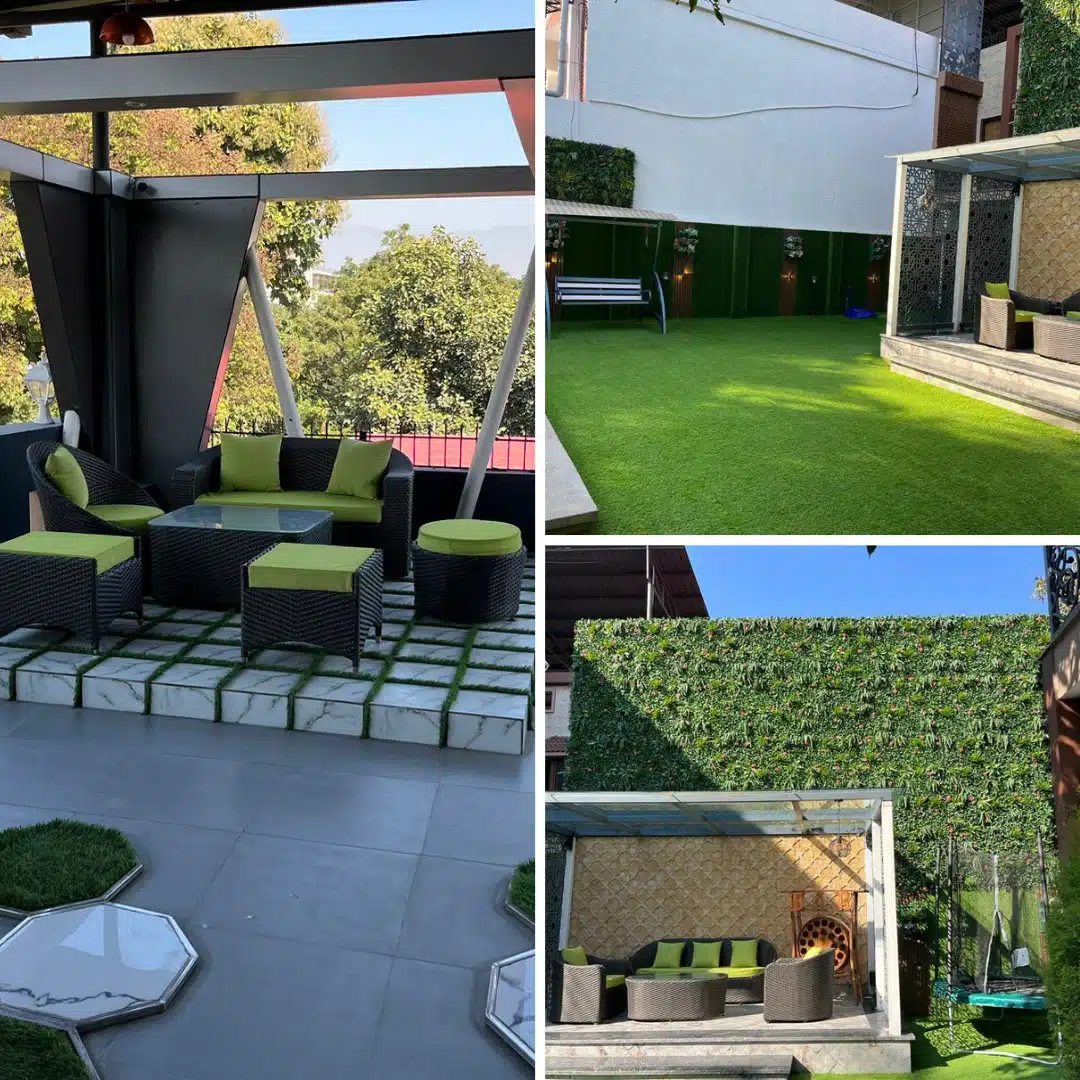
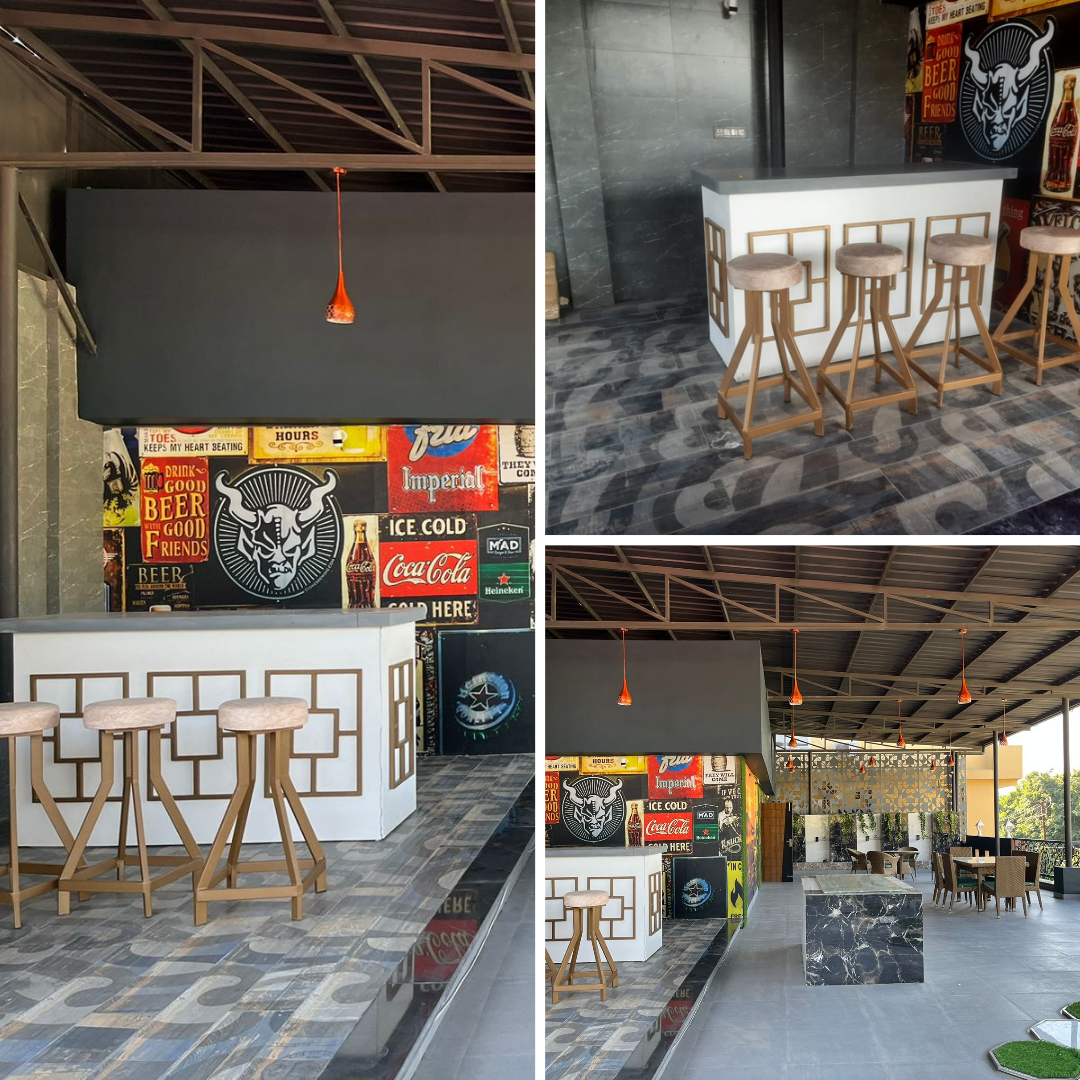
Social spaces such as lounges, coffee areas, and break rooms encourage informal conversations. These small interactions help build trust and team spirit.
When employees feel connected to their colleagues, they are more engaged and motivated to work together.
Supporting Mental Well-Being Through Office Design
Mental well-being is an important part of modern office design. Remote teams often deal with stress, burnout, and isolation.
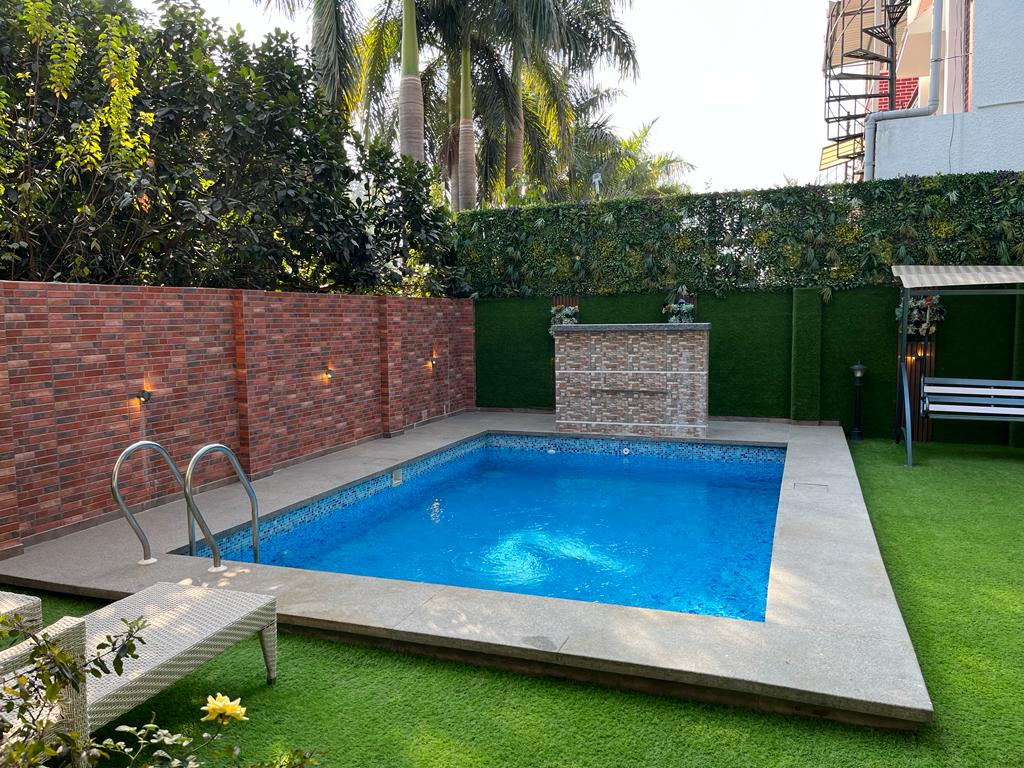
Offices can support mental health by offering calm spaces, natural elements, and comfortable seating. Quiet rooms for relaxation or short breaks are also helpful.
A well-designed office shows employees that their well-being matters. This builds loyalty and improves overall job satisfaction.
Office Design That Reflects Company Values
The office should reflect the company’s culture and values. This helps employees feel connected to the organization.
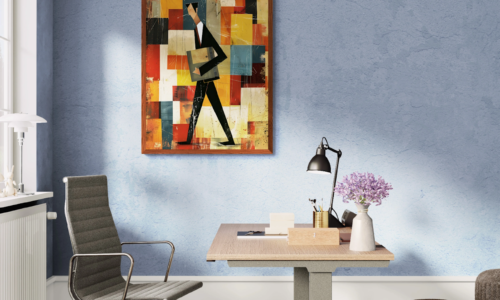
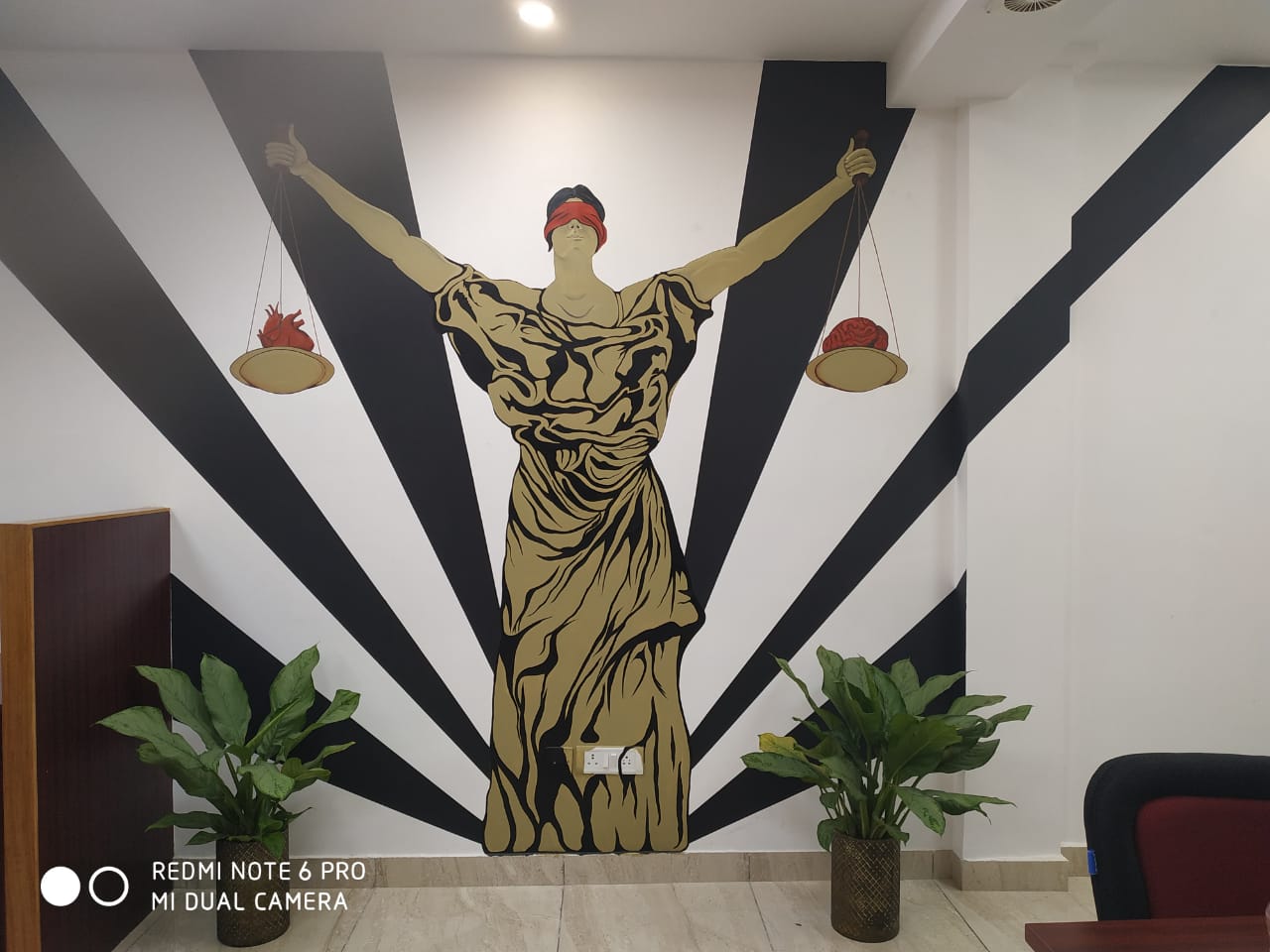
Design elements such as colors, artwork, and branding tell a story about the company. They remind employees why they are part of the team.
When the office reflects purpose and identity, it feels more meaningful and engaging.
How Office Design Makes the Commute Worth It
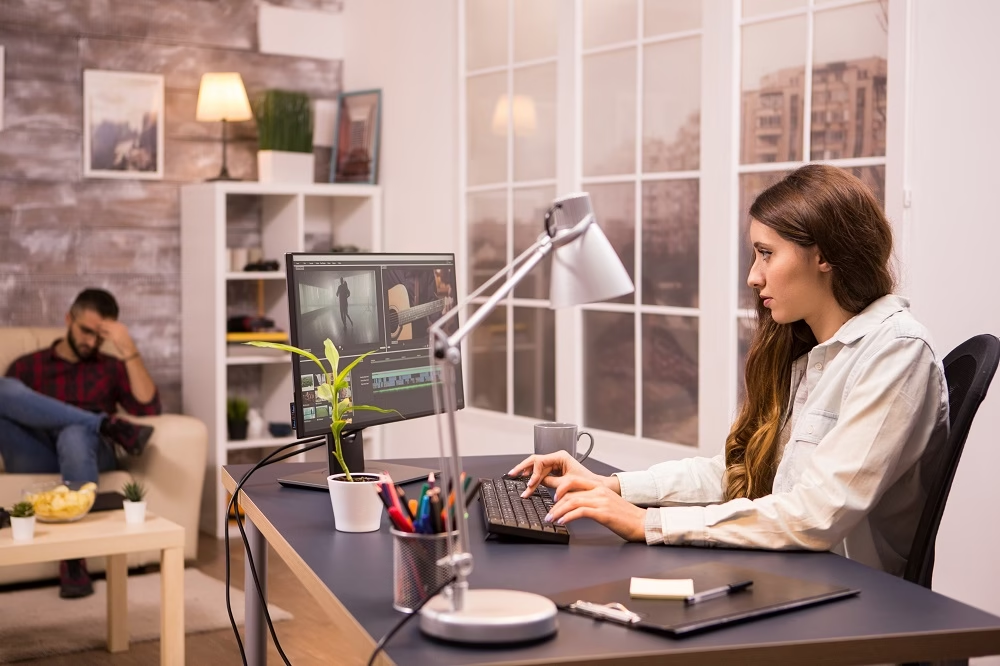
Employees decide whether to commute based on value. If the office offers better collaboration, comfort, and connection than home, the commute feels worthwhile.
A well-designed office saves time by making meetings more effective. It improves relationships through face-to-face interaction.
When employees leave the office feeling productive and positive, they see the commute as a good investment.
Key Elements of Office Design for Remote Teams
| Office Design Element | Purpose | Benefit for Remote Teams |
|---|---|---|
| Flexible Layouts | Adapt to changing team sizes | Better space usage |
| Collaboration Areas | Support teamwork | Stronger communication |
| Quiet Zones | Enable focused work | Higher productivity |
| Modern Technology | Connect remote and in-office staff | Smooth collaboration |
| Ergonomic Furniture | Improve comfort | Reduced fatigue |
| Social Spaces | Encourage interaction | Better team culture |
| Natural Light | Improve atmosphere | Better mood and energy |
The Future of Office Design for Remote Teams
Office design will continue to evolve as work habits change. The focus will remain on flexibility, comfort, and experience.
Offices will become destinations rather than obligations. They will support teamwork, creativity, and personal growth.
Companies that invest in thoughtful office design will attract and retain talent more easily.
Final Thoughts
Office design for remote teams is about creating value. It is about giving employees a reason to step out of their homes and come together.
A well-designed office supports collaboration, focus, comfort, and well-being. It respects how people work today while encouraging meaningful interaction.
When office design is done right, the commute becomes worth it. The office becomes a place where people want to be, not where they are forced to go.
Related Posts