The Rise of Residential-Style Office Design
The way offices look and feel has changed a lot over the years. Earlier, offices were designed mainly for work efficiency, with little focus on comfort or personal well-being. Most workplaces had plain desks, straight chairs, bright white lights, and neutral colors. The main goal was productivity, not comfort.
Today, this approach is changing. One of the most important trends in modern workplaces is the rise of residential-style office design. This design concept brings the comfort, warmth, and relaxed feel of a home into the office environment. Instead of making offices feel strict or formal, businesses are now trying to make them feel welcoming, comfortable, and human.
Residential-style office design is becoming popular across industries because it helps people feel better at work. Employees spend many hours in offices, and the environment plays a big role in how they feel, think, and perform. This design style focuses on making offices feel less like traditional workplaces and more like places where people can feel relaxed, focused, and motivated.
What Is Residential-Style Office Design?
Residential-style office design means designing office spaces to look and feel similar to homes. This does not mean turning offices into actual houses, but it means using design elements commonly found in residential spaces.
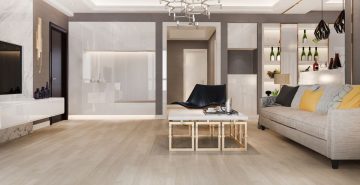
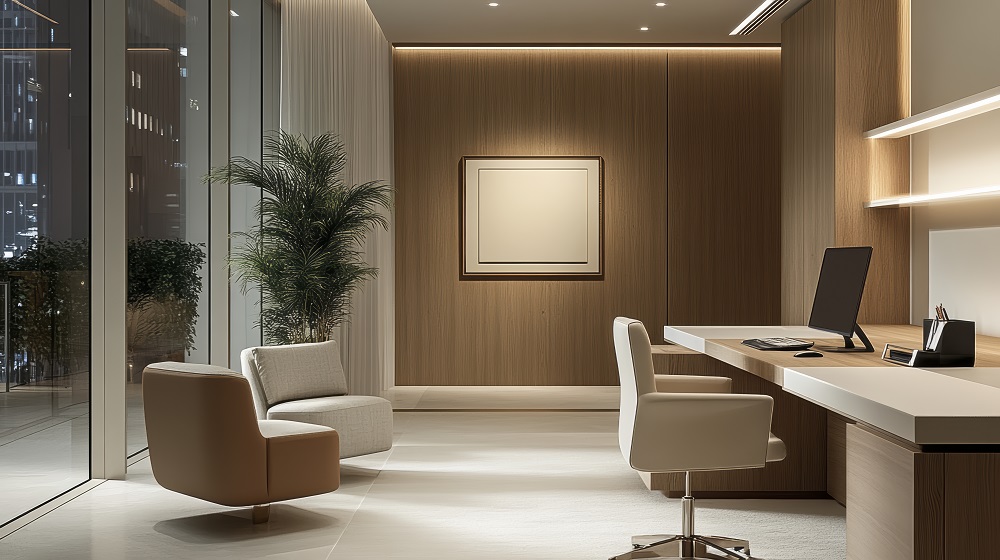
These offices often include soft furniture, warm lighting, cozy seating areas, natural materials, and decorative items that make the space feel lived-in. Instead of rows of identical desks, you may see sofas, lounge chairs, rugs, bookshelves, and even artwork that would normally be found in a home.
The idea is to create a comfortable and familiar environment where employees feel at ease. When people feel comfortable, they are more likely to stay focused, communicate openly, and enjoy their time at work. Residential-style office design aims to reduce stress and make the office a more pleasant place to be.
Why Residential-Style Office Design Is Rising
The rise of residential-style office design did not happen suddenly. It is the result of changes in work culture, employee expectations, and business priorities.
One major reason is the shift toward employee well-being. Companies now understand that a healthy and happy workforce is more productive. Offices that feel cold or uncomfortable can cause stress and reduce motivation. Residential-style offices, on the other hand, help people feel calm and supported.
Another important reason is the rise of flexible work models. With remote and hybrid work becoming common, offices are no longer just places to sit at a desk. They are now spaces for collaboration, creativity, and connection. A home-like environment makes employees want to come into the office rather than work only from home.
Modern employees also expect more from their workplaces. They want offices that reflect comfort, personality, and balance. Residential-style office design meets these expectations by offering a more relaxed and human-centered environment.
Key Features of Residential-Style Office Design
Residential-style office design includes several features that help create a home-like atmosphere. One important feature is comfortable furniture. Instead of only office chairs and desks, these spaces include sofas, cushioned chairs, and soft seating areas where people can relax or have informal meetings.
Lighting is another important element. Traditional offices often use harsh overhead lighting, which can feel tiring. Residential-style offices use warm, soft lighting, table lamps, and floor lamps to create a calm and pleasant mood.
Colors also play a big role. Rather than plain white or gray walls, residential-style offices use warm and natural colors such as beige, soft greens, light blues, and earthy tones. These colors help create a relaxed and welcoming environment.
Decorative elements are also common. Items such as plants, rugs, cushions, artwork, and bookshelves add personality and warmth to the space. These details make the office feel less formal and more personal.
How Residential-Style Office Design Changes the Workplace Feel
Residential-style office design changes how people experience the workplace on a daily basis. When employees walk into a home-like office, they feel more relaxed and comfortable. This can reduce stress levels and help people start their day with a positive mindset.
The design also encourages informal interaction. Comfortable seating areas and lounge spaces make it easier for employees to talk, share ideas, and collaborate naturally. This helps build stronger relationships among team members.
A home-like office environment can also support better focus. When people feel comfortable and safe, they can concentrate more easily on their tasks. Residential-style spaces often include quiet corners or cozy areas where employees can work without distractions.
Overall, this design style creates a balance between professionalism and comfort, allowing people to work efficiently while feeling at ease.
Traditional Office Design vs Residential-Style Office Design
The table below helps explain the difference between traditional office design and residential-style office design in a simple way.
| Feature | Traditional Office Design | Residential-Style Office Design |
|---|---|---|
| Furniture | Standard desks and chairs | Sofas, lounge chairs, soft seating |
| Lighting | Bright overhead lighting | Warm, soft, layered lighting |
| Colors | Neutral and plain colors | Warm, natural, and soft colors |
| Atmosphere | Formal and structured | Comfortable and welcoming |
| Employee Feel | Work-focused, sometimes stressful | Relaxed, calm, and supportive |
| Purpose | Task efficiency | Comfort, collaboration, and focus |
This comparison shows how residential-style office design shifts the focus from strict work structures to employee comfort and well-being.
The Role of Comfort in Residential-Style Office Design
Comfort is the foundation of residential-style office design. In traditional offices, comfort was often seen as a secondary concern. Today, it is considered essential.
Comfortable seating reduces physical strain and helps employees feel more relaxed throughout the day. Soft textures, warm materials, and thoughtful layouts also help create a sense of ease.
When people feel physically comfortable, they are less distracted by discomfort. This allows them to focus better on their work and maintain energy levels for longer periods.
Residential-style office design recognizes that comfort is not a luxury but a necessity for modern workplaces.
Residential-Style Office Design and Mental Well-Being
Mental well-being is another important reason behind the rise of residential-style office design. Offices that feel cold or impersonal can increase stress and anxiety.
Home-like environments help reduce these feelings by creating a sense of familiarity and safety. Natural elements such as plants and natural light also support mental health by making the space feel fresh and alive.
A calm and welcoming office environment can help employees feel more positive, engaged, and emotionally balanced. Over time, this can lead to better job satisfaction and a healthier work culture.
Why Businesses Are Embracing This Design Trend
Businesses are embracing residential-style office design because it aligns with modern work values. Companies want to attract and retain talented employees, and the workplace environment plays a big role in that.
A comfortable and inviting office shows that a company cares about its people. This can improve employee loyalty and reduce turnover.
Residential-style office design also supports collaboration and creativity. When people feel relaxed, they are more likely to share ideas and think creatively. This can benefit innovation and problem-solving within the organization.
Conclusion:
The rise of residential-style office design represents a shift toward more human-centered workplaces. It focuses on comfort, warmth, and well-being while still supporting productivity and collaboration.
By bringing home-like elements into the office, this design style creates environments where people feel relaxed, valued, and motivated. It reflects modern expectations and changing work cultures.
Understanding what residential-style office design is helps businesses and employees see why this approach is becoming so important. It is not just about design, but about creating workplaces that support people in the best possible way.