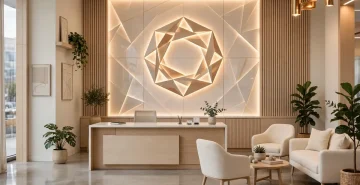

Creating a “Third Place” at Work for Better Connection
People spend most of their time either at home or in the office. These two spaces dominate daily life. But researchers and workplace experts suggest that humans also need a “third place”, a space beyond home and work where they can relax, interact, and build meaningful connections. This concept is now being introduced into workplaces to improve collaboration, creativity, and employee well-being.
This blog will explain what a “third place” at work really means, why it is important, and how businesses can create such spaces to encourage stronger connections among employees. Many businesses work with office interior designers in India to shape these informal spaces into welcoming parts of the workplace.
What is a “Third Place”?
The idea of a “third place” comes from sociologist Ray Oldenburg, who first introduced it in his book The Great Good Place. According to him, a third place is a space outside of home (the first place) and work (the second place) where people naturally gather, talk, and share ideas. Traditional examples of third places are cafes, libraries, parks, and community centers. These spaces give people a sense of belonging and help them connect with others in a relaxed and informal way.
When this idea is brought into the workplace, a “third place” becomes an area inside or around the office that encourages informal conversations and connections. It is not just a desk or meeting room. Instead, it is a space where people can share ideas freely, relax, and recharge.
Why Do We Need a Third Place at Work?
Modern workplaces often focus heavily on efficiency, deadlines, and productivity. While this is important, it can leave employees feeling isolated or stressed.
A third place offers employees the chance to:
- Build relationships beyond daily tasks
- Share creative ideas informally
- Reduce stress and refresh their minds
- Feel more connected to the workplace culture
These benefits directly improve teamwork and job satisfaction. When employees feel comfortable and connected, they are more likely to stay motivated and perform better.
Characteristics of a Good Third Place
Not every space can be called a third place. To be effective, a workplace third place must have certain qualities:
Neutral Ground
Employees should feel free to use the space without pressure. It should not feel like a meeting room.
Accessibility
The space should be easy for everyone to access, not hidden away or reserved for only a few.
Casual Environment
The atmosphere should be relaxed, allowing natural conversations.
Encourages Interaction
The design should invite people to gather, talk, or even collaborate informally.
Comfortable Setting
Comfortable seating, natural light, and calming design elements can make it more welcoming.
Examples of Workplace Third Places
Companies across the world are now introducing third places in different ways. Here are some examples:
| Type of Third Place | Description | Example Usage |
|---|---|---|
| Breakout Lounge | A casual lounge area with sofas, coffee tables, and books | Employees can relax or have informal chats |
| Cafeteria Café | A cafeteria designed like a coffee shop | Encourages natural conversations over coffee |
| Outdoor Spaces | Patios, rooftops, or gardens | Employees can step outside for fresh air and connect |
| Wellness Zone | Spaces for meditation, yoga, or relaxation | Helps reduce stress and supports mental health |
| Collaboration Corner | Open space with whiteboards and seating | Teams can brainstorm informally without booking a room |
These examples show that a third place is not just about physical design, but also about creating the right environment for social connection. Offices planning such a space can look at office interior design in Delhi for ideas that suit local workplaces and team sizes.
How Third Places Improve Connection at Work
A third place plays a huge role in improving communication among employees. Formal meetings often limit conversations to work topics, but in a third place, people can talk about personal interests, hobbies, or challenges.
For example, two employees from different departments may rarely meet in a regular office setting. But in a third place, they might start a conversation over coffee, leading to a new idea or collaboration.
This kind of interaction builds what sociologists call “social capital” – the trust and networks that help people work better together. According to Wikipedia, social capital is important for building strong teams and organizations.
The Role of Leadership in Encouraging Third Places
Creating a physical third place is only the first step. Leaders must also encourage employees to use it. If leaders ignore it, employees may feel guilty about spending time there.
Leaders can:
- Promote Open Culture – Show employees that informal connections are valuable.
- Set Examples – Managers should also use third places, proving their importance.
- Plan Informal Activities – Encourage coffee chats, team lunches, or brainstorming sessions in these spaces.
By doing this, leaders send a strong message that building human connections is just as important as completing tasks.
Challenges in Creating a Third Place
While the idea is powerful, some challenges may arise:
- Limited Office Space – Small offices may find it hard to dedicate extra areas.
- Budget Restrictions – Designing comfortable lounges or outdoor areas can be costly.
- Cultural Barriers – In some workplaces, employees may feel shy about spending time away from desks.
To solve this, companies can start small. Even a simple coffee corner with comfortable seating can act as a third place if it encourages interaction. Companies in Noida can ask office interior designers in Noida to plan a third place that fits a small floor plate and a tight budget.
Third Place vs. Remote Work
With the rise of remote work, many people wonder if a third place still matters. Remote teams face the same connection problem, and office design for remote teams shows how the office itself can give people a reason to come in. The answer is yes, because even remote workers need connection.
For instance, many teams use platforms like Slack or Microsoft Teams to create informal groups where employees can share jokes, celebrate wins, or simply chat. These virtual spaces also function as third places.
Long-Term Benefits of a Third Place
When companies invest in creating third places, they see long-term benefits such as:
- Higher employee satisfaction and retention
- Stronger teamwork and collaboration
- More innovation through casual idea-sharing
- Reduced workplace stress
- A stronger sense of community and belonging
Organizations with high employee engagement tend to be more productive and profitable. In the long run, investing in third places is not just about comfort – it is about business success.
Real-Life Inspiration
Global companies like Google and Microsoft are famous for creating workplace third places. Their offices include open lounges, game zones, and cafeterias designed to encourage employees to interact.
Even smaller businesses can take inspiration. A small office can set up a corner with a coffee machine, comfortable seating, and a few plants to create a welcoming third place.
Conclusion: Building Better Connections with Third Places
The concept of a “third place” is more than just a design trend. It is a way of improving human connection and creating workplaces where employees feel valued and motivated.
Whether it is a lounge, a cafeteria, an outdoor garden, or even an online chat space for remote workers, the goal remains the same – to give people a place to connect beyond tasks and deadlines. A turnkey office design approach can bring the lounge, lighting and seating together without separate contractors to coordinate.