
Different Types of Office Interiors
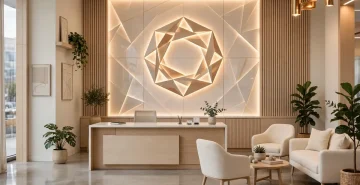
Office interior design plays a very important role in how a workplace looks, feels, and functions. A well-designed office interior can improve employee productivity, comfort, creativity, and overall work satisfaction. On the other hand, a poorly designed office can create stress, reduce efficiency, and leave a bad impression on clients and visitors.
Different businesses need different types of office interiors. A corporate office, a startup, a creative agency, or a consulting firm all have different goals and working styles. Because of this, office interiors are designed in many styles and layouts to suit specific business needs. Office interior designers can help a business match the right interior type to its team size, brand, and way of working.
What Is Office Interior Design?
It refers to how the inside of an office is planned, arranged, and decorated. It includes furniture, lighting, colors, flooring, partitions, seating layout, storage, and overall space planning.
The goal of this style is to create a comfortable and functional workspace that supports daily work activities. A good office interior balances beauty with usability. It also reflects the company’s brand, culture, and professionalism.
Traditional Office Interior Design
Traditional style is one of the most common and oldest office styles. This style focuses on formal layouts, fixed seating, and private working spaces.
In a traditional office interior, employees usually work in separate rooms or cubicles. Managers and senior staff have private cabins. Meeting rooms are closed spaces with solid walls and doors.
This type of interior is commonly used in law firms, government offices, accounting firms, and corporate organizations where privacy and confidentiality are important.
Traditional office interiors often use wooden furniture, neutral colors, and classic design elements. The overall look is professional and serious.
Modern Office Interior Design
Modern style focuses on clean lines, simple layouts, and smart use of space. This style is very popular in today’s corporate and startup environments.
A modern office interior usually includes open spaces, minimal furniture, and bright lighting. Glass partitions are often used instead of solid walls to allow light to pass through and make the office feel bigger.
This style promotes collaboration and transparency. It is suitable for IT companies, startups, marketing agencies, and tech firms. Office interior designers in Delhi often use this modern style for IT companies and startups.
Modern office interiors often use neutral colors like white, grey, and beige, along with modern furniture and sleek finishes.
Open Plan Office Interior
An open plan office is designed with large open spaces and very few walls or partitions. Employees work together in shared spaces rather than private rooms.
The main idea behind this layout is teamwork and communication. It helps employees interact easily and share ideas quickly.
This layout is widely used by startups, creative agencies, and growing companies. It also helps businesses save space and reduce interior costs.
However, open plan offices may not provide enough privacy or quiet for some tasks. To solve this, many offices add meeting pods or quiet zones.
Corporate Office Interior Design
Corporate style is designed to reflect professionalism, brand identity, and authority. It is commonly used by large companies, multinational firms, and corporate headquarters.
It includes a mix of private cabins, conference rooms, reception areas, and open workstations. The design is balanced and structured.
Corporate office interiors focus on comfort, functionality, and image. High-quality furniture, proper lighting, soundproof meeting rooms, and organized layouts are key features.
The interior often reflects the company’s brand colors and values to create a strong professional impression.
Minimalist Office Interior Design
Minimalist style focuses on simplicity and clarity. This style removes unnecessary items and keeps only what is essential.
In a minimalist office interior, you will see clean desks, simple furniture, neutral colors, and open space. There is very little decoration, which helps reduce distractions.
This approach creates a calm and focused work environment. It is ideal for companies that want a clean and modern look.
Minimalist office interiors are easy to maintain and help employees concentrate better on their work.
Industrial Office Interior Design
Industrial style is inspired by old factories and warehouses. It focuses on raw and unfinished elements.
It often includes exposed brick walls, metal furniture, open ceilings, and visible pipes. The design feels bold and creative.
Industrial office interiors are popular among creative agencies, design studios, and media companies. It gives the office a modern yet rugged look.
This design style is often combined with modern furniture to balance comfort with industrial elements.
Creative Office Interior Design
Creative style is made to inspire imagination and innovation. It focuses on unique layouts, bright colors, and flexible spaces.
This style is commonly used by advertising agencies, media companies, design studios, and content creators.
Creative office interiors may include breakout zones, colorful walls, informal seating, and fun decor elements. The goal is to create an energetic and inspiring work environment. An office interior designer in Noida can plan a creative layout with breakout zones and flexible seating.
This design helps employees feel relaxed and encourages creative thinking.
Executive Office Interior Design
Executive style is created for senior management and business leaders. It focuses on luxury, comfort, and authority.
It includes high-quality furniture, elegant lighting, soundproof cabins, and premium materials.
Executive offices are designed to provide privacy for meetings and decision-making. The design reflects professionalism and leadership.
This style is commonly used in corporate offices, consulting firms, and large organizations.
Coworking Office Interior Design
Coworking offices are shared workspaces used by different teams, startups and freelancers in one place. The design needs to serve many working styles at once, so it mixes open workstations, private focus rooms, meeting rooms and lounge areas in one floor plan.
A good coworking office uses modular workstations that can be rearranged, movable partitions for privacy, shared meeting tables, phone booths for calls, and comfortable lounge seating for informal work. Storage is shared and clearly marked, and the reception area sets the tone for every member who walks in. Lighting, acoustics and clear walkways matter more here than in a single company office, because many teams share the same space every day.
Contact Amodini Systems For Any Type of Office Interior Designing Services
Comparison Table of Different Types of Office Interior
| Office Interior Type | Best For | Key Features |
|---|---|---|
| Traditional Office Interior | Corporate and legal firms | Private cabins, formal layout |
| Modern Office Interior | IT and startups | Open spaces, glass partitions |
| Open Plan Office Interior | Team-based companies | Shared workspace, collaboration |
| Corporate Office Interior | Large organizations | Structured layout, branding |
| Minimalist Office Interior | Focus-driven work | Simple design, clean look |
| Industrial Office Interior | Creative industries | Raw materials, open ceilings |
| Creative Office Interior | Media and design firms | Colorful, flexible spaces |
| Executive Office Interior | Senior management | Luxury, privacy |
| Coworking Office Interior | Startups, freelancers and teams | Shared workstations, lounges |
Conclusion
Choosing the right look is very important for any business. The office interior directly affects employee mood, productivity, and health.
A well-planned office interior helps employees feel comfortable and motivated. It also creates a positive image for clients and visitors. For a new office, turnkey office interiors can deliver the chosen style from design to finishing in one project.
Different businesses have different needs, so there is no one-size-fits-all design. Understanding the different types of office interiors helps companies choose the best option for their work culture.
Also Check:
- The Best Ways to Showcase Your Company’s Brand in the Office
- Designing Breakout Areas That Boost Creativity
- Best Solutions for Noise Control in Open-Plan Offices
- Turnkey Interior Solutions (A SEAMLESS EXPERIENCE FOR YOUR PROJECT)
Frequently Asked Questions
1. Why is office interior important for businesses?
Office interior is important because it directly affects employee productivity, comfort, and motivation. A well-designed office reduces stress and improves focus. It also helps create a professional image for the company. When employees feel comfortable in their workspace, they perform better and stay more satisfied with their job.
2. Which office interior type is best for startups?
For startups, modern or open plan office interiors are usually the best choice. These designs encourage teamwork, communication, and creativity. They also save space and cost. Open layouts allow employees to interact easily, share ideas, and work together, which is very important for growing businesses and creative teams.
3. What is the difference between modern and traditional offices?
Traditional office interiors focus on private cabins, fixed seating, and formal layouts. Modern office interiors focus on open spaces, simple design, and flexibility. Modern offices use glass partitions, minimal furniture, and bright lighting, while traditional offices use wooden furniture and closed rooms for privacy and structure.
4. How does office interior affect employee productivity?
Office interior affects productivity by providing comfort, proper lighting, and a good working environment. A well-planned office reduces distractions, improves focus, and supports teamwork. Comfortable furniture and good space planning help employees work efficiently and feel less tired, leading to better performance and higher job satisfaction.