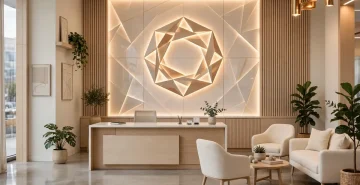

The Role of Colors in Office Interiors and Employee Productivity
Colors are more than just decoration in an office. They play a very important role in shaping how people feel, think, and perform at work. The colors used in office interiors can affect mood, energy, creativity, focus, and even relationships among employees. Businesses are now paying more attention to office design, not only for aesthetic reasons but also for productivity and employee well-being.
In simple terms, colors are not just for beauty; they are often used as psychological tools in design. In color psychology, each color is commonly associated with a different effect on emotions and productivity levels. For companies that want motivated and happy employees, choosing the right color scheme is essential. Corporate office interior design can use these insights to match colours with the way each team works.
Understanding Color Psychology in Office Interiors
Color psychology is the study of how different colors influence human emotions and actions. For example, some colors can make people feel calm, while others may create excitement or urgency. This principle is applied in marketing, branding, healthcare, education, and now widely in office design.
The workplace is where people spend most of their waking hours. If the environment is dull, stressful, or uninspiring, it directly affects performance. On the other hand, well-chosen colors in interiors can improve focus, reduce stress, and even spark innovation. Understanding these effects helps employers build better workplaces.
How Colors Influence Employee Productivity
Colors are often chosen to influence how employees feel and work. They can increase or decrease alertness, affect mood, and impact the ability to concentrate. Here are some key ways colors influence productivity:
- Mood Regulation: Warm colors may increase energy, while cool colors can create a calm environment.
- Focus and Concentration: Neutral tones reduce distractions and keep employees focused on tasks.
- Creativity Boost: Bright and lively colors like yellow and orange can inspire new ideas.
- Stress Management: Soothing shades such as light blue and green help in reducing workplace stress.
This shows that color selection is not only about aesthetics but also about creating a balanced and supportive work environment.
Best Colors for Office Interiors and Their Impact
Different colors have different meanings and impacts. Let us understand which colors are commonly used in offices and how they affect employees.
| Color | Psychological Effect | Impact on Employees | Best Areas to Use |
| Blue | Calm, Trust, Stability | Often associated with calm and focus | Meeting rooms, quiet zones |
| Green | Balance, Growth, Relaxation | Often associated with relaxation and balance | Open workspaces, break areas |
| Yellow | Optimism, Energy, Creativity | Often associated with optimism and creativity | Creative departments, brainstorming rooms |
| Red | Passion, Urgency, Power | Often associated with energy, best used in small amounts | Sales areas, activity zones |
| White | Clean, Spacious, Neutral | Provides clarity, may feel too sterile | Reception areas, hallways |
| Gray | Balance, Neutrality | Professional look, but may feel dull | Executive offices, conference rooms |
| Orange | Enthusiasm, Motivation | Often associated with enthusiasm and teamwork | Collaboration areas, lounges |
This table shows that each color has a purpose. The right combination creates a productive, comfortable, and pleasant workplace.
Blue: The Color of Focus and Calmness
Blue is one of the most popular colors in office interiors. It is known for its calming and soothing effect. Whether it’s the calming blue of the sky or the depth of the ocean, blue brings a sense of peace and order to a workplace.
Blue is often associated with calm and logical thinking. This is why many banks, financial institutions, and corporate offices use blue in their interiors. Blue also reduces stress and helps employees stay focused for long hours. For meeting rooms and quiet zones, office interior design in Delhi often uses this calm blue palette to keep discussions focused.
Green: The Color of Balance and Relaxation
Green is strongly connected with nature and balance. It has a refreshing and relaxing impact on employees. Green is often used in workspaces to create a calm and friendly atmosphere. It helps in reducing stress and improving concentration.
Adding green plants or using natural green tones in office walls creates a more natural and soothing environment. Employees surrounded by green are often more creative and less stressed. Nature-inspired interiors are often chosen to support productivity and employee satisfaction.
Yellow: The Color of Energy and Creativity
Yellow is the color of brightness, optimism, and innovation. It is often used in offices where brainstorming and creativity are important. Yellow adds warmth and positivity to the workspace, making it feel more lively and energetic.
However, yellow should not be used in very large amounts as it may create feelings of anxiety. Instead, it can be used as an accent color in meeting rooms, creative zones, or collaborative spaces.
Red: The Color of Power and Energy
Red is a very strong and stimulating color. It is often associated with energy and a sense of urgency. It is a bold color that can make a space feel energetic and exciting.
But too much red can also make people feel stressed or anxious. Therefore, it should be used carefully and in small amounts. Red works well in sales offices, activity areas, and spaces where high energy is required.
White and Gray: The Colors of Simplicity and Professionalism
White is often associated with cleanliness and simplicity. It makes spaces look bigger and more open. It also reflects light and creates a bright atmosphere. However, too much white can feel cold or sterile, so it should be balanced with other colors.
Gray, on the other hand, provides a professional and neutral atmosphere. It adds a sense of balance and sophistication to the office. Gray is widely used in executive offices and conference rooms.
Orange: The Color of Enthusiasm and Motivation
Orange is a vibrant mix of red’s energy and yellow’s creativity. It promotes enthusiasm, motivation, and social interaction. Orange is often used in collaborative areas and lounges where teamwork is encouraged.
It creates a warm and inviting environment where employees feel more connected. Orange should not be overused, as it can become too bright and distracting in large areas.
How to Choose the Right Color Scheme for Your Office
Choosing colors for office interiors should not be random. It requires planning based on the type of work, company culture, and employee needs. Here are some simple steps to follow:
- Understand Your Work Culture– Creative companies may use bright colors, while law firms may prefer calm and neutral tones.
- Mix and Balance– Combine bright and neutral shades to avoid overwhelming employees.
- Use Natural Elements– Add indoor plants, wooden textures, or natural light for balance.
- Consider Employee Feedback– Employees feel more comfortable when they have a say in design choices.
- Test Before Applying– Use small areas to test color effects before applying them throughout the office.
An office interior designer in Noida can test samples on site before the final palette is applied.
Also Read:
- What Is a Mood Board in Interior Design?
- What Is Modern Classic Interior Design?
- What is Green Interior Design?
- What Are the Different Materials Used for Interior Design?
- Is Interior Architecture the Same as Interior Design?
Conclusion:
Colors are not just about style in office interiors. They are useful tools that are often linked with emotions, behavior, and performance. The right color scheme can support focus, creativity, and teamwork.
Employers who understand the role of colors and apply them wisely will notice better productivity, happier employees, and a more positive work environment. The key is to find the right balance and choose colors that match your company culture and work needs. A turnkey interior design service can carry the chosen palette through paint, furniture, and lighting in one coordinated project.