
Top Tips for Creating a Discreet Office: Privacy Design for Modern Workplaces 2026-2027
Top Tips for Creating a Discreet Office: Privacy Design for Modern Workplaces 2026-2027
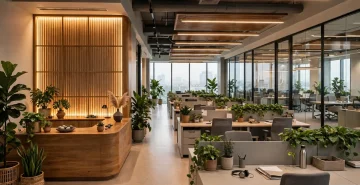
A discreet office is one where people can focus, take a private call, and do deep work without noise or interruption. In an open-plan office, privacy does not happen by accident. It has to be designed in. Here are the top tips for creating a discreet office that still feels open and collaborative.
1. Create Quiet Zones
The first step is to give the office quiet zones. Divide the floor into areas for different work: open areas for teamwork, quiet rooms for focused work, and phone booths for calls. When people can choose the space that fits their task, they stop disturbing each other. A quiet zone needs no walls, just a clear purpose, good acoustics, and an agreement that it stays quiet.
2. Use Acoustic Treatment
Noise is the biggest enemy of a discreet office. Acoustic wall panels, sound-absorbing ceiling tiles, carpet tiles, and soft furnishings cut echo and keep conversations private. Phone booths and semi-private pods give people a place to take calls without the whole floor listening. For a quick fix, bookshelves, curtains, and large indoor plants also break up sound.
3. Invest in Ergonomic Desks and Chairs
A discreet office still needs to be comfortable. An ergonomic desk and chair let people work for long hours without strain. Height-adjustable desks, good lumbar support, and a monitor at the right height matter more than most people realise. When the furniture fits the person, they focus better and move less, which keeps the office quieter.
4. Optimise Storage So Desks Stay Clear
A cluttered desk is a distraction. Give every team enough storage: pedestals, lockers, shelves, and filing cabinets. When desks stay clear, the office looks calmer and people find what they need without rummaging. Clear desks also make hot-desking work, because anyone can sit anywhere and start.
5. Use Discreet, Calming Decor
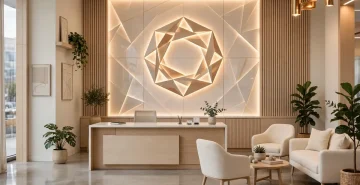
Choose decor that is subtle and calm. Neutral tones, natural materials, and a few pieces of art create a professional feel without visual noise. Avoid bright, distracting colours in focus areas. Save bold branding for the reception and collaboration zones, where energy is welcome.
6. Keep the Office Organised
An organised office is a quiet office. Agree a clear-desk policy, label storage, and keep shared supplies in one place. When everyone knows where things live, there is less searching, less asking, and less interruption. A tidy office also makes a better impression on clients.
7. Plan Lighting for Focus and Calm
Lighting shapes how a space feels. Bright, white-toned task lighting works best in focus zones. Warmer, dimmable lighting suits lounges and breakout areas. Natural light should be maximised with large windows and glass partitions. Good lighting reduces eye strain and helps people stay focused for longer.
8. Minimise Distractions by Design
A discreet office minimises distractions by design, not by rules. Noise-cancelling headphones help, but the layout should do most of the work: quiet zones away from the pantry and the entrance, meeting rooms with real doors, and a booking system so rooms are not double-booked. When the space is planned well, people do not need to fight for quiet.
Conclusion
Creating a discreet office in 2026-2027 is about balance: quiet zones and open areas, privacy and collaboration, focus and energy. Start with acoustic treatment and clear zones, invest in ergonomic furniture, and keep the space organised. The result is an office where people can focus when they need to and come together when they want to.
If you want an office that gives your team privacy without losing collaboration, Amodini Systems can help. Our office interior designers in Delhi and our office interior designers in Noida design offices with quiet zones, phone booths, and acoustic treatment built in. See our turnkey office interiors service for how one team handles the whole job. For a related read, see our guide on how to balance privacy and collaboration in office design.