Best Office Layouts for Better Team Collaboration
Each business house in the market these days wants a team that can communicate well and work towards common goals. Still, many companies face a major collaboration issue among their employees. This issue occurs despite their team having strong leadership and skilled employees.
And mostly, the problem is not the team, but the workspace they work in.
An office layout can definitely influence how often people interact and how quickly they make decisions. It also influences teamwork. Communications in offices and especially among teams often become slow when they are separated by walls, long corridors or isolated workstations.
On the other hand, a well-planned office makes collaboration natural.
Here we have some of the best office layouts. These can help create a come productive and connected workplace.
Open Office Layouts Make Communication Easier
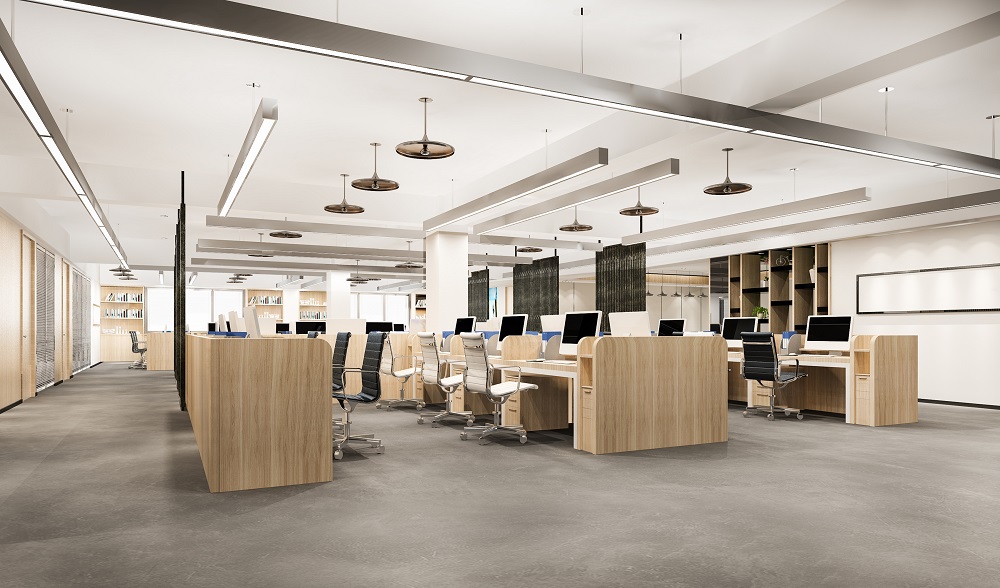
Firstly, we will understand the main reason for open office layouts to be popular.
Just imagine walking into a traditional office. Here, you may notice employees are heavily dependent on messages and email. They even need scheduled meetings for simple discussions.
And now there is a workspace where the team can communicate and exchange ideas without leaving their desks or waiting for a meeting.
Here comes the reason that makes open office layouts popular.
Employees can interact more often throughout the day when the physical barriers are removed. Discussions take place easily, project updates are not missed, and small issues are resolved without escalating. ‘
These types of layouts often work amazingly for departments that have to depend on constant communication. Teams such as marketing, sales, project management groups or creative teams need constant communication without any gaps for productivity.
That said, open offices are also not perfect. Too much noise can be distracting at times. The most successful open workspaces usually include quiet corners or focus areas where work can be done without interruptions.
Hybrid Layouts Offer the Best of Both Worlds
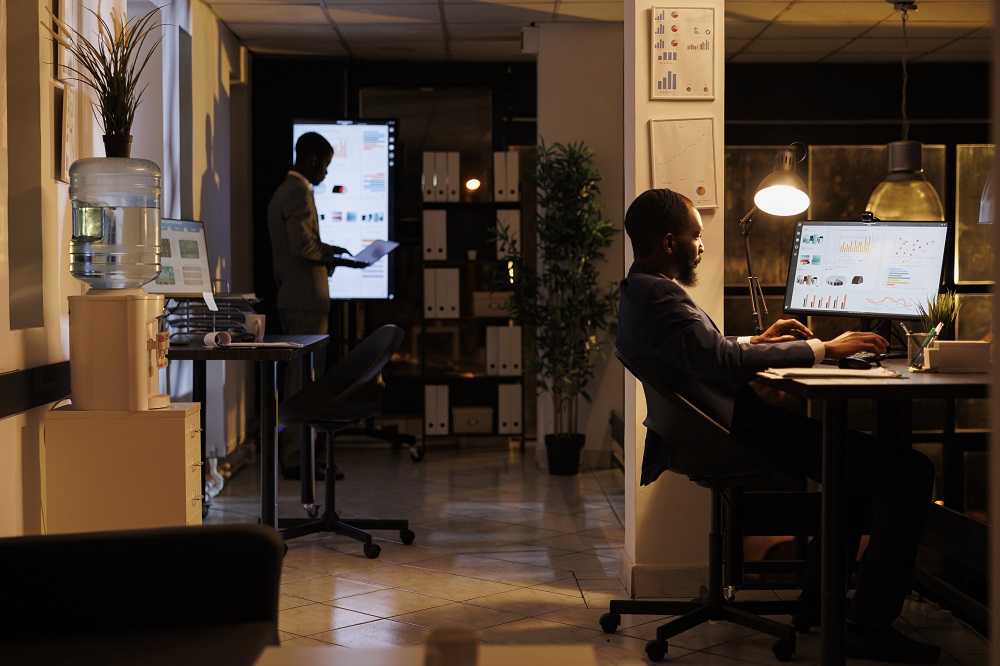
Not all tasks need collaboration.
Some entirely need concentration, while some might require discussion.
Due to this, many businesses these days are moving towards hybrid office layouts.
A hybrid workspace combines open collaboration zones with private work areas. Employees can just choose the space that matches their task requirement rather than working from the same desk all day.
For example, let’s say a team can gather in a collaborative area for the discussion of a campaign in the morning. Later through the day, individuals can move to personal work stations or quieter spaces to complete their work.
These days, hybrid layouts are becoming more practical choice for modern offices. Organisations are now adapting to changing work habits.
Cluster Workstations Help Teams Stay Connected

Have you ever noticed that there are some teams communicating more effectively than others?
Often this comes down to proximity.
Collaborations become easier when the team working on the same project sits together. Employees don’t need to cross the whole office to share an update or aska question.
Cluster workstations are designed with this thought only.
Instead of arranging desks in long rows, workstations are grouped in small sections. Team members can stay close enough to communicate easily.
This kind of setup is usually found in tech companies and creative agencies. It is also commonly used in fast-paced project environments where instant communication is a mandate.
Activity-Based Workspaces Support Different Ways of Working
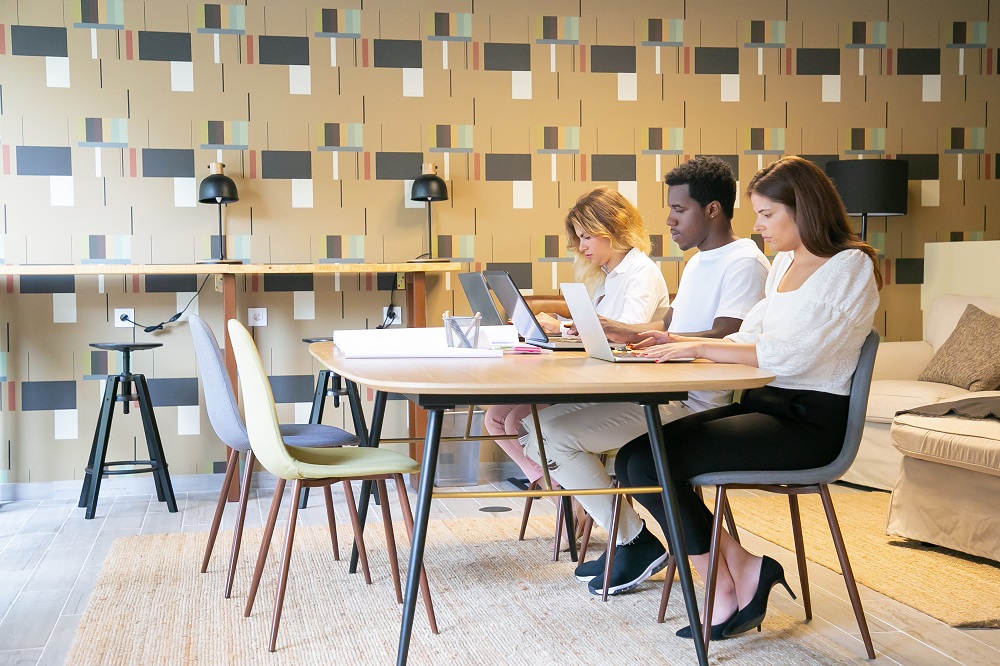
No employee does the same type of work throughout the day.
Some tasks require concentration, some need brainstorming. Few discussions require privacy, while others benefit from open layouts.
Activity-based workspaces recognise this requirement.
Rather than assigning one fixed area for everything, the office can be divided into zones designed for specific activities.
- Employees can access
- Collaboration spaces
- Quiet work areas
- Informal meeting pods
- Project rooms
- Breakout zones
This approach helps employees select the environment that suits them best for their work.
Breakout Spaces Encourage Informal Collaboration
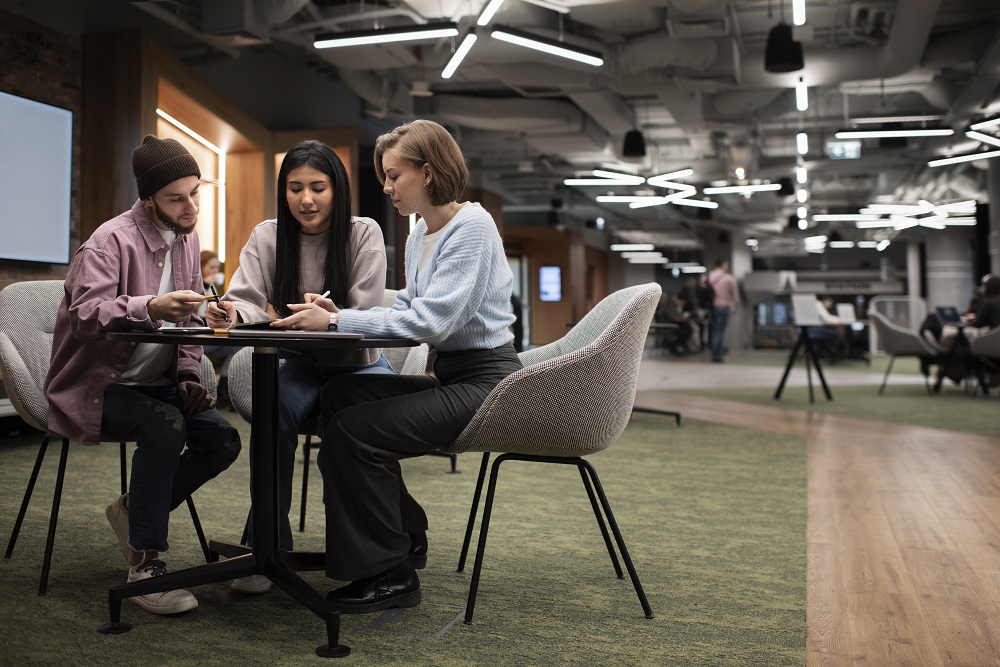
Not all productive conversations occur on conference tables.
At a lot of businesses, many valuable ideas come up during casual conversations between colleagues. A quick chat over the tea break at times solves a problem faster than a formal meeting.
Here, the breakout spaces play an important role.
These areas offer employees relaxed settings. Here they can exchange ideas, discuss projects and even connect with team members from different departments.
A well designed break out space creates opportunities for spontaneous collaborations. All this happens without overall workflow disruption.
These spaces make noticeable differences for businesses looking to build more connected workplace culture.
Flexible Layouts Support Business Growth
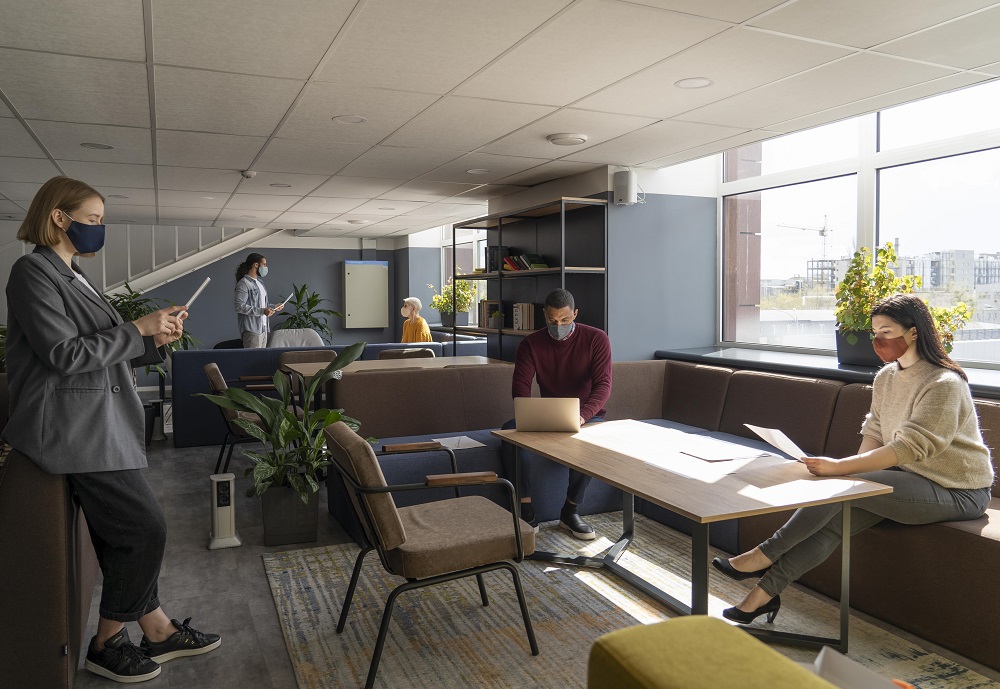
Office requirements stay the same very rarely.
The teams grow, the departments develop, and the projects create new requirements for working space.
What fits well now may be irrelevant two years later.
A flexible layout makes it possible for the business to get ready for change.
Movable partitions, modular furniture, and versatile workspaces enable reconfiguration of the workplace.
This is important for companies developing over time.
Instead of designing each time anew, the company can modify its current layout.
Choosing the Right Layout for Your Team
There is not one office layout that shall work perfectly for every organisation.
A design that is perfect for a law firm might not be suitable for a creative agency. In a similar way, the needs of established offices are different from those of startups.
When choosing office layouts, business organizations should take into consideration:
- Employee cooperation during normal working hours
- Type of work carried out by the workers
- Space available for the office
- Privacy concerns
- Projections on future expansion plans
Final Thoughts
Great teamwork is not something that happens spontaneously. In most cases, it begins with a setting that promotes easy communication and teamwork.
A great office design does not have to be the most costly or most attractive one. The best designs are those which facilitate actual team performance.
Whether it concerns a collaborative space, hybrid design, clustered offices, or an activity-based approach, the main aim is always the same – developing the environment conducive to effective collaboration.
When a particular design fits employee needs and corporate goals, achieving high levels of collaboration becomes much easier.