What Is a Mood Board in Interior Design?
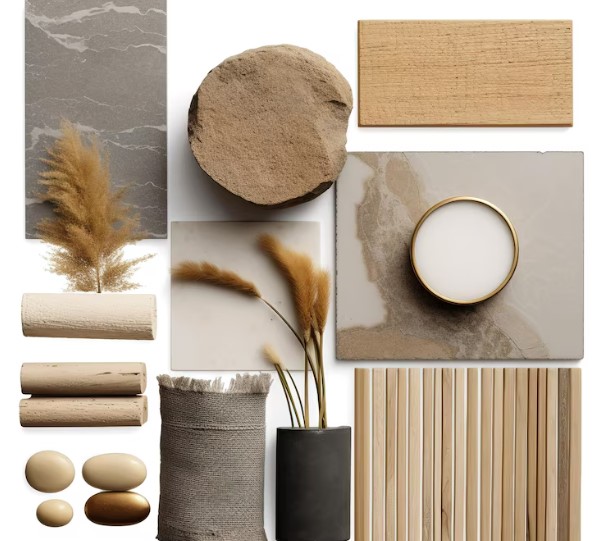
A mood board is a visual tool used in interior design to collect and organize ideas, colors, materials, and styles. It’s a kind of collage made from photos, fabric samples, color swatches, textures, furniture pictures, and other elements that represent the look and feel of a space.
Think of a mood board as a “vision board” for a reception, a meeting room, or a workstation area. It helps bring different ideas together and shows how they might look in the real world. Whether you are planning a full office interior or just updating a meeting room, a mood board can give you a clear direction. Corporate office interior designers often start a project with a mood board before any furniture is ordered.
Why Is a Mood Board Important in Interior Design?
Mood boards are very helpful for many reasons:
- Helps to Organize Ideas: If you have many design inspirations, a mood board lets you collect everything in one place.
- Shows the Overall Theme: A mood board reflects the style you want, whether it’s modern, rustic, minimalist, or traditional.
- Saves Time and Mistakes: It helps avoid buying items that don’t match or fit together.
- Improves Communication: Designers and clients can both understand and agree on the concept using a mood board.
How Does a Mood Board Look?
A mood board can be physical or digital.
- Physical Mood Boards: These are boards where actual fabric samples, paint swatches, magazine cutouts, and material pieces are stuck together.
- Digital Mood Boards: These are created using tools like Canva, Pinterest, or Photoshop. They are easy to edit and share.
Here’s a quick comparison between the two types:
| Feature | Physical Mood Board | Digital Mood Board |
|---|---|---|
| Materials Used | Real samples, printed images | Online images, design tools |
| Flexibility | Hard to change | Easy to edit |
| Sharing | Not easy to share | Easy to send via email or link |
| Cost | May require printing or buying | Usually low or no cost |
| Texture & Feel | Shows real materials | Can’t feel texture digitally |
What Is Included in a Mood Board?
A mood board can include many elements, depending on what you’re designing. Here are some common things you can include:
- Color Palette: This is a selection of 3–6 main colors that will be used in the space. For example, light grey, white, beige, and soft blue.
- Textures: Materials like wood, metal, fabric, or stone to show how the space will feel.
- Furniture Photos: Pictures of workstations, chairs, reception desks, and meeting tables.
- Lighting Ideas: Lamps, ceiling lights, or wall sconces.
- Inspiration Images: Rooms or styles that show what you want the final space to look like.
- Decor Items: Rugs, cushions, vases, curtains, and wall art.
- Flooring Samples: Images or samples of tiles, wooden floors, or carpets.
Each of these parts helps build the full picture of the room before anything is purchased or built. Office interior designers in Delhi can help you build a mood board for your reception, meeting rooms, and workstation areas.
Who Uses Mood Boards?
Mood boards are used by many people in the design world. Some of them include:
- Interior Designers: They use it to present design ideas to clients.
- Business owners and office managers: People who want to plan a new office use it to collect ideas and share them with their team.
- Architects: To help match the space structure with the interior style.
- Product Designers: Even people designing furniture or lighting use mood boards for planning.
How to Create a Mood Board?
Creating a mood board is easy and fun. Here are the steps:
1. Choose a Theme or Style
Decide what kind of office space you want, modern, minimal, industrial, or warm and welcoming? This is your starting point.
2. Pick a Color Scheme
Choose your main colors. Use tools like Coolors or Pinterest for inspiration.
3. Collect Visuals
Find images online or from magazines that match your style. You can also gather real samples if you’re designing a physical board.
4. Arrange Your Elements
Start placing the items together. Try to balance colors, textures, and objects. Make sure everything looks good together.
5. Review and Edit
Look at your mood board as a whole. Does it reflect what you want? Remove anything that feels out of place.
Benefits of Using Mood Boards
Let’s go deeper into the reasons why mood boards are helpful.
Better Visualization
Mood boards help you see the space before it’s built. You can imagine how the colors, textures, and furniture will look together. It prevents surprises later.
Saves Money
By seeing everything together first, you can avoid buying items that won’t match. It helps you stay on budget.
Helps with Decisions
Choosing from many styles and items can be confusing. A mood board helps you decide what fits best with your vision.
Improves Designer-Client Communication
If you’re working with a designer, a mood board makes it easier to share your ideas clearly. It avoids confusion and helps both sides stay on the same page.
Where Can You Find Mood Board Inspiration?
There are many websites and platforms where you can find inspiration:
- Pinterest – Search for “reception mood board” or “meeting room decor ideas.”
- Canva – Offers free templates to build digital mood boards.
- Instagram – Many designers post mood board images and room ideas.
- Wikipedia – Explains the history and use of mood boards.
- Interior design – Gives broader knowledge on design concepts.
Office interior designers in Noida can turn the inspiration you collect into a finished office plan.
Mood Board vs. Style Board: What’s the Difference?
Both mood boards and style boards are useful, but they are not the same.
- Mood Board: Focuses on the feeling and atmosphere of a space. It shows colors, textures, and overall mood.
- Style Board: Is more detailed. It includes specific products, prices, and exact items to buy.
You often start with a mood board to get the idea and then move to a style board to finalize what to buy and where to put it.
Final Thoughts
A mood board is a simple yet powerful tool that every office planning project should include. It gives you a clear picture of what the final space will look like and helps you make the right choices before spending money.
Whether you’re a designer, a business owner, or someone planning an office, mood boards help you plan better, stay focused, avoid mistakes, and feel confident about your decisions. For a full office setup, turnkey office interiors can take the mood board from a concept to a finished workspace.
Also Read:
- Office Design Planning in 2025: How to Create a Space That Works
- Is Interior Design a Good Career in India?
- Does Interior Design Include Furniture?
- Modular Office Furniture: Designing Agile Workspaces for 2025 and Beyond
Frequently Asked Questions
1. What is a mood board in interior design?
A mood board in interior design is a visual collection of colors, materials, textures, and images that represent the style and feel of a space. It helps designers and clients plan a room before starting the work.
2. What is the purpose of a mood board?
The main purpose of a mood board is to organize ideas and show how different design elements will look together. It helps in planning, decision-making, and communication between designers and clients.
3. What are the benefits of a mood board?
Mood boards help you visualize a space before it’s created. They save time and money, reduce confusion, and help clients understand the designer’s vision clearly.
4. Can I make a mood board for free?
Yes, you can make a mood board for free using tools like Canva, Pinterest, or even a physical board with magazine cutouts and fabric samples. Many online platforms offer free templates.
5. Is a mood board and a style board the same?
No, they are different. A mood board focuses on the overall feeling and theme, while a style board includes specific products and details needed to complete the design.