
What Is Contemporary Design in Interior Designing?
Contemporary design refers to the design style that is based on the present time. The word “contemporary” itself means “belonging to the present.” So, whatever is popular and trending in the world of interiors right now is considered part of contemporary design.
It is different from modern design, which belongs to a specific time (mid-20th century). Contemporary design, on the other hand, is always changing because it adapts to what is currently in style. The office interior designers in India at Amodini Systems use this style for reception areas, workstations and meeting rooms.
Key Features of Contemporary Interior Design
Contemporary design is not just about how a room looks, but also how it feels. Here are the main features:
1. Clean Lines and Smooth Surfaces
One of the first things you notice in a contemporary space is the clean, straight lines. Furniture, walls, windows, everything follows a neat and simple design. There is no extra decoration or heavy carving.
2. Neutral Colors
Contemporary interiors often use neutral colors like white, beige, black, grey, and brown. These shades create a calm and balanced look. Sometimes, bold colors like blue, red, or green are used as highlights in furniture or art pieces.
3. Open Spaces
Contemporary design prefers open and uncluttered spaces. There is a lot of breathing room in the layout. This makes even small rooms feel bigger and more welcoming.
4. Natural Light and Large Windows
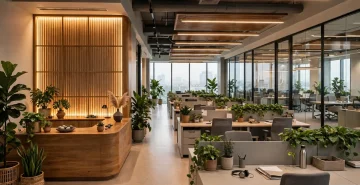
A lot of importance is given to natural light. That’s why you’ll find large glass windows, open breakout areas, and skylights in contemporary offices.
5. Natural Materials
Though the style is modern, it often uses natural materials like wood, cotton, linen, glass, and metal. These materials add warmth and depth to the design.
6. Focus on Functionality
Every item in the room has a purpose. From chairs to tables to lamps, the design is not just for looks – it is made to be used easily and practically.
Contemporary vs. Modern Design: What’s the Difference?
Though people often confuse the two, contemporary and modern design are not the same. Here’s a simple comparison:
| Feature | Contemporary Design | Modern Design |
|---|---|---|
| Time Period | Ever-changing, present trends | Specific period (early-mid 1900s) |
| Style Influence | Mixed – minimal, industrial, etc. | Mostly minimal and mid-century |
| Materials | Natural + modern materials | Wood, leather, and natural fibers |
| Color Palette | Mostly neutrals with some bolds | Earth tones, white, and warm colors |
| Flexibility | Very flexible and evolving | Fixed rules and design elements |
This table gives you a quick idea of how contemporary design differs from modern.
Why Is This Style So Popular?
Contemporary design has become one of the most preferred styles today because:
It is clean and simple – no mess, no clutter.
It fits well in any space – big or small.
It is budget-friendly – you can mix materials.
It changes with time – you don’t feel stuck with one look.
It supports sustainability – often uses eco-friendly and natural materials.
Our office interior design in Delhi team can plan a contemporary layout that fits the way your team works.
Common Elements in a Contemporary Office
Let’s look at a few elements that you can often find in a contemporary interior:
- Workstations with clean edges
- Glass meeting table
- Neutral wall paint (like light grey or white)
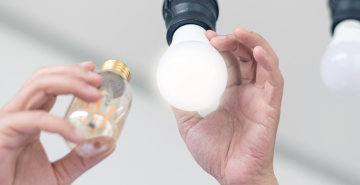
- LED lighting or pendant lights
- Wooden or tile flooring
- Simple blinds for meeting rooms and cabins
- A single large piece of artwork or wall decor
- Green plants for freshness
These elements combine to give the space a modern yet cozy feel.
Where Can You Use Contemporary Design?
Contemporary design can be used in many places:
Offices
Contemporary interiors create a professional and fresh environment for reception areas, workstation zones, meeting rooms and cabins. Open layouts and good lighting help boost productivity, and clean lines keep the office calm and easy to work in. Our office interior designer in Noida can adapt the same clean style for a smaller office.
A Bit of History
While contemporary design is modern by nature, it actually started to evolve in the 1970s. It slowly grew from modernism and borrowed ideas from minimalism, scandinavian design, and even industrial design. Over time, it became its own unique and flexible style.
Final Thoughts
Contemporary design in interior designing is not just about following trends. It is about creating spaces that feel right for the present moment. It brings together simplicity, comfort, and functionality – all while staying stylish.
Whether you are planning a new office or revamping your office, this style can give you the best mix of comfort, function, and beauty. For design and execution from one team, choose turnkey office design for your contemporary office.
Also Read:
- Office Design Planning in 2025: How to Create a Space That Works
- Is Interior Design a Good Career in India?
- Does Interior Design Include Furniture?
- Modular Office Furniture: Designing Agile Workspaces for 2025 and Beyond
Frequently Asked Questions
Q1: What is contemporary interior design style?
Contemporary interior design is a modern style that follows current trends. It uses clean lines, open spaces, neutral colors, and natural materials to create a simple, comfortable and stylish space.
Q2: How is contemporary different from modern design?
Modern design refers to a fixed style from the early 1900s, while contemporary design changes with current trends. Contemporary design is flexible and keeps evolving.
Q3: What colors are used in contemporary design?
Contemporary design mostly uses neutral colors like white, grey, beige, and black. These shades make the space look bright and balanced.
Q4: Is contemporary design good for small spaces?
Yes, contemporary design works very well in small spaces. Its clean lines, open layouts, and light colors make even small offices feel more spacious.
Q5: What materials are used in contemporary interiors?
Contemporary interiors often use a mix of natural and modern materials like wood, glass, metal, and fabric. These materials are both functional and beautiful.