
Flexible Office Designs for Hybrid Work Culture
In today’s fast-changing world, the way we work has completely transformed. Gone are the days when employees spent all five or six days of the week in a traditional office. The COVID-19 pandemic accelerated a shift that was already on the way, the rise of hybrid work. Now, many companies allow employees to split their time between working in the office and working from home.
This new style of work has brought several challenges for businesses. One of the biggest challenges is designing an office space that fits the needs of a hybrid workforce. This is where flexible office design comes in. Flexible offices are smartly designed workspaces that adapt to the needs of employees, whether they are working on-site full-time, part-time, or occasionally. The office interior designers in India at Amodini Systems plan flexible offices that adapt as teams grow and change.
In this blog, let’s explore everything you need to know about flexible office designs for hybrid work culture, what they are, why they are important, their features, benefits, and some ideas to implement them.
What is a Hybrid Work Culture?
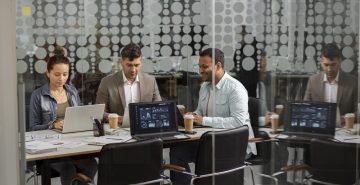
Hybrid work culture is a model where employees divide their time between working from the office and working remotely, usually from home. Some days they come to the office for meetings, teamwork, and collaboration, while on other days they work from home or any other location.
The idea behind hybrid work is to give employees more flexibility while still maintaining teamwork, communication, and productivity. It also helps companies save costs on office space while keeping their teams happy and motivated.
That’s why businesses are turning towards flexible office designs.
What is Flexible Office Design?
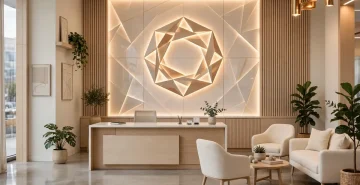
Flexible office design is a way of creating workplaces that can adapt to different needs and situations. Unlike traditional offices with fixed desks and cubicles, flexible offices are dynamic. They have open spaces, shared desks, quiet zones, meeting rooms, and areas for relaxation.
In simple words, a flexible office allows employees to choose how and where they want to work depending on the task. For example, if someone needs to focus, they can sit in a quiet corner. If a team needs to brainstorm, they can use a collaborative zone. If your office is in the capital, our office interior design in Delhi team can plan a hybrid-ready workspace for your team.
Key Features of Flexible Office Design
Here are some important features that make an office flexible and suitable for hybrid work culture:
1. Hot Desking or Shared Workstations
Not everyone comes to the office every day in a hybrid setup. Instead of giving a permanent desk to each employee, offices use hot desking. This means desks are shared, and employees can choose any available workstation when they come in.
2. Collaboration Zones
Hybrid work requires strong collaboration when employees are in the office. Collaboration zones such as open meeting areas, brainstorming corners, and lounge spaces encourage teamwork and idea-sharing.
3. Quiet or Focus Areas
Not every task requires teamwork. Sometimes employees need silence to concentrate. A flexible office includes quiet rooms, focus pods, or library-like areas where employees can work without distractions.
4. Technology Integration
Since hybrid work combines office and remote work, technology plays a big role. Offices must have video conferencing tools, high-speed internet, smart screens, and booking systems for desks and meeting rooms.
5. Multi-Purpose Furniture
Furniture in flexible offices is often movable and adaptable. For example, tables with wheels, foldable partitions, and modular seating can be rearranged according to the need.
6. Wellness and Comfort
Hybrid culture places importance on employee well-being. Offices now include ergonomic furniture, natural light, plants, breakout areas, and wellness corners to create a healthy work environment.
7. Activity-Based Workspaces
Instead of fixed desks, employees choose spaces based on their activity. For example, there could be a quiet zone for deep work, a social zone for casual chats, and a formal zone for meetings.
Why Flexible Office Design is Important for Hybrid Work
Flexible office design isn’t just a trend; it’s a necessity in the hybrid world. Here’s why it matters:
- Efficient Use of Space – Since not all employees come daily, flexible offices prevent wasted space.
- Supports Collaboration – Encourages teamwork when employees are physically together.
- Enhances Employee Experience – Employees feel empowered when they can choose how they want to work.
- Improves Productivity – Right spaces for the right tasks improve focus and efficiency.
- Future-Proofing – Work culture is changing rapidly. Flexible designs allow offices to adapt without major renovations.
Benefits of Flexible Offices
Implementing flexible design in offices offers several advantages:
- Cost Savings – Shared desks and multi-purpose spaces reduce the need for large office areas, saving rent and maintenance costs.
- Higher Employee Satisfaction – Employees appreciate the freedom to choose their work style. Happy employees are more engaged and productive.
- Stronger Collaboration – Smartly designed meeting and social spaces help bring teams together, boosting creativity.
- Attraction of Talent – Modern office spaces appeal to younger generations who value flexibility and a healthy work environment.
- Health and Wellness – Better lighting, ergonomic seating, and wellness areas improve employee health, reducing absenteeism.
- Environmental Benefits – Smaller, efficiently used spaces mean less energy consumption, supporting sustainability.
If your office is in Noida, our office interior designer in Noida can plan a hybrid-ready workspace for your team.
Practical Ideas for Designing a Flexible Office
If you are planning to create or upgrade your office for hybrid work, here are some practical tips and ideas:
1. Adopt an Open Layout
Remove unnecessary walls and create open spaces. This makes the office more versatile and adaptable.
2. Introduce Hot Desking Systems
Use booking apps or systems that allow employees to reserve desks before they arrive at the office.
3. Create Multi-Use Meeting Rooms
Equip meeting rooms with digital screens, video conferencing tools, and movable furniture to support both in-person and virtual meetings.
4. Add Breakout Spaces
Small lounges, sofa corners, or coffee zones encourage informal conversations and collaboration.
5. Provide Phone Booths or Pods
For private calls or focused work, small soundproof booths can be very effective.
6. Focus on Ergonomics
Provide height-adjustable desks, supportive chairs, and good lighting to promote comfort.
7. Incorporate Nature
Plants, natural light, and eco-friendly materials create a calming environment and boost productivity.
8. Use Modular Furniture
Furniture that can be easily moved or reconfigured allows the office to adapt quickly to new needs.
9. Blend Physical and Digital
Use smart office apps for desk booking, meeting room scheduling, or even adjusting lighting and temperature.
10. Add Wellness Areas
Meditation rooms, nap zones, or fitness spaces show employees that their well-being is a priority.
Challenges of Flexible Offices
While flexible offices sound perfect, there are challenges too:
- Cost of Redesign – Creating a modern flexible office may require initial investment.
- Change Management – Employees used to traditional setups may need time to adjust.
- Technology Dependence – Hybrid setups rely heavily on tech, so strong IT support is necessary.
- Maintaining Fairness – Desk booking systems must be managed fairly to avoid conflicts.
With careful planning, however, these challenges can be overcome.
The Future of Offices
The hybrid work culture is here to stay, and flexible office design will play a central role in the future of workplaces. Companies that invest in flexible, employee-friendly designs will not only save costs but also create happier, more productive teams.
As technology evolves, we will see even smarter offices with AI-based space management, virtual reality meeting rooms, and more personalized workspaces.
Also Read:
- What Is a Mood Board in Interior Design?
- What Is Modern Classic Interior Design?
- What is Green Interior Design?
- What Are the Different Materials Used for Interior Design?
- Is Interior Architecture the Same as Interior Design?
Conclusion
Flexible office designs are the perfect answer to the demands of hybrid work culture. They help companies make better use of their space while giving employees the freedom and comfort they need.
In the future, the most successful workplaces will be those that embrace flexibility, technology, and well-being. By adopting smart design choices today, businesses can build offices that are ready for tomorrow. For a complete setup from design to handover, explore our turnkey office design service.