Why Interior Design Is Important for Every Space
ByRaj Gupta
November 13, 2026
Why Interior Design Is Important for Every Space: A Complete Guide for 2026-2027
Interior design is not decoration. It is the way a space works, feels, and supports the people who use it. A well-designed office helps employees work better, makes clients trust the business, and uses every square foot well. A poorly designed office does the opposite, even if it looks fine in photos. This guide explains why interior design matters for offices, how it affects people and business, and how to get it right. Our office interior design services cover the full office, from layout and lighting to furniture and handover.Design Affects How People Work
People spend most of their working day inside the office. Light, air, noise, colour, and layout all affect concentration, mood, and energy. A bright office with good air and quiet focus zones helps people work better. A dark, noisy, cramped office drains them. Good design is not a luxury. It is a working condition, and it shows in output every day.Design Affects Health and Wellbeing
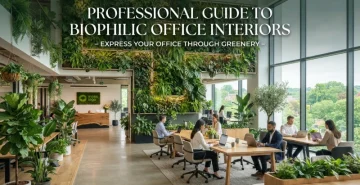
Ergonomic chairs and adjustable desks prevent back and neck pain. Natural light reduces eye strain. Plants and fresh air improve the feeling of the space. Quiet zones let people recover from noise. When design supports health, sick days fall and people stay longer. When it does not, the cost shows up in fatigue, complaints, and attrition.Design Affects Productivity
A well-planned office removes friction. People find what they need, move easily, and switch between focus work and collaboration without wasting time. Storage is where it should be. Meeting rooms are available when needed. Cables do not clutter desks. These small things add up to hours saved every week. Read our guide on how office interior design impacts productivity for the full picture.Design Shapes First Impressions
Clients form an opinion of a business within seconds of entering the office. A clean, modern, well-planned reception and workspace tells them the company is organised, professional, and serious. An outdated or cluttered office tells them the opposite. Design is the first handshake a client gets, and it sets the tone for the whole relationship.Design Uses Space Well
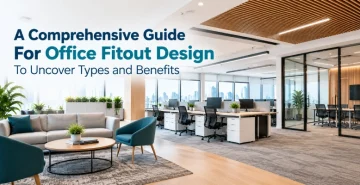
Good design makes a small office feel bigger and a large office feel purposeful. It plans circulation, storage, and work zones so no area is wasted. In cities such as Delhi and Noida, where commercial rents are high, using space well is a direct saving. A designer who plans the layout properly can fit more people comfortably into the same floor, or give the same team a better experience in a smaller office. Our office interior designers in Delhi plan layouts that fit more people comfortably into the same floor.Design Reflects Brand and Culture
An office is the physical form of a company’s brand. Colours, materials, artwork, and layout tell employees and visitors what the company values. A creative agency needs a different office from a law firm, and a startup needs a different office from a bank. Good design translates brand and culture into space, so the office feels like the company, not like a generic floor. Our office interior designers in Noida design offices that reflect your brand across Noida and Greater Noida.Design Supports Collaboration and Privacy Together
Teams need both. They need open areas to discuss and quiet areas to focus. Good design provides both, with collaboration hubs, focus pods, meeting rooms, and acoustic treatment. It balances privacy and teamwork instead of forcing one or the other. Read our guide on how to balance privacy and collaboration in office design.Design Saves Money Over Time
Good design costs money upfront, but it saves money over years. Durable materials last longer. A flexible layout adapts when the team changes, so the office does not need a full refit. Energy-efficient lighting and good daylight reduce power bills. Modular furniture can be reused instead of replaced. Read our guide on why investing in good office design saves money long-term.How to Get Interior Design Right
- Start with how people work. Map team sizes, work styles, and daily movement before choosing any furniture or colour.
- Plan the layout first. Fix zones for focus, collaboration, meetings, and breaks before you buy anything.
- Prioritise light and air. Daylight and ventilation matter more than decoration.
- Choose quality for daily-use items. Spend on chairs, desks, and lighting first.
- Keep it flexible. Use modular furniture and moveable partitions so the office can change with the business.
- Work with one team. A single design and build team keeps the design, the budget, and the execution aligned. See our turnkey office interiors service for how this works.