Small Business, Big Impact: Office Design on a Shoestring
- Amodini Systems
- 0 Comments
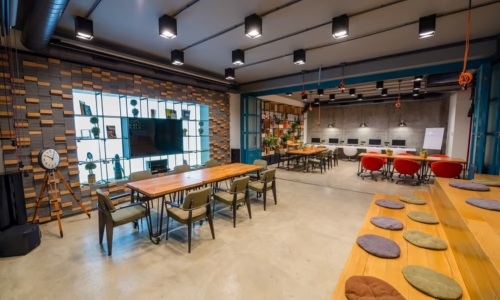
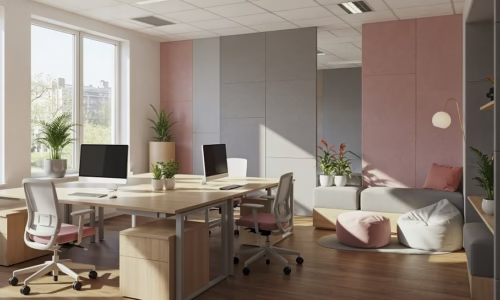
“Small Business, Big Impact: Office Design on a Shoestring” is about creating a smart, professional, and comfortable office without spending a lot of money. Many small business owners believe that good office design is expensive and only possible for big companies. This is not true. With the right planning, simple ideas, and smart choices, even a low-budget office design can look modern, organized, and inspiring.
Why Office Design Matters for Small Businesses
Office design is not just about looks. It directly affects how people feel and work every day. A well-designed office can improve focus, reduce stress, and make employees feel valued. For small businesses, this is very important because every team member plays a big role.
A clean and organized office also creates a good impression on clients and visitors. Even if your business is small, a well-planned office shows professionalism and trust. On the other hand, a messy or poorly designed workspace can make people feel uncomfortable and distracted.
Good office design does not mean luxury furniture or expensive interiors. It means using the available space wisely, keeping things simple, and creating an environment that supports daily work.
Understanding “Office Design on a Shoestring”
The phrase “on a shoestring” means working with a very limited budget. Office design on a shoestring focuses on low-cost solutions, smart planning, and creative ideas instead of high spending.
This approach is perfect for startups, home offices, freelancers, and growing small businesses. It helps business owners avoid unnecessary expenses while still improving the workspace. The key is to focus on function first and decoration second.
Simple changes like better lighting, rearranging furniture, or adding plants can make a big difference without spending much money.
Planning Before Spending Money
Before buying anything, planning is very important. Many small businesses waste money by buying items without thinking about real needs. A clear plan helps avoid this mistake.
Start by looking at your current office space. Notice what works well and what does not. Identify problems like lack of storage, poor lighting, or uncomfortable seating. Write down what needs improvement and what can stay the same.
Next, decide your budget. Even a small amount can go a long way if used carefully. Planning helps you spend money only where it matters most.
Using Space Smartly in a Small Office
Small businesses often have limited office space. Smart space usage is one of the most important parts of office design on a budget.
Instead of adding more furniture, try rearranging what you already have. Place desks near natural light if possible. Use corners and walls for storage instead of filling the floor with cabinets.
Multi-purpose furniture is very helpful. For example, a table can be used for meetings as well as daily work. Storage units can also act as space dividers. This helps keep the office open and organized.
Budget-Friendly Furniture Choices
Furniture usually takes a big part of the budget. However, there are many ways to reduce costs without reducing quality.
Second-hand furniture is a great option. Many offices sell used desks, chairs, and cabinets in good condition. These items cost much less than new ones and work just as well.
Another option is simple, basic furniture instead of designer pieces. Focus on comfort and durability rather than style. A comfortable chair and a strong desk are more important than expensive looks.
Lighting: A Low-Cost, High-Impact Change
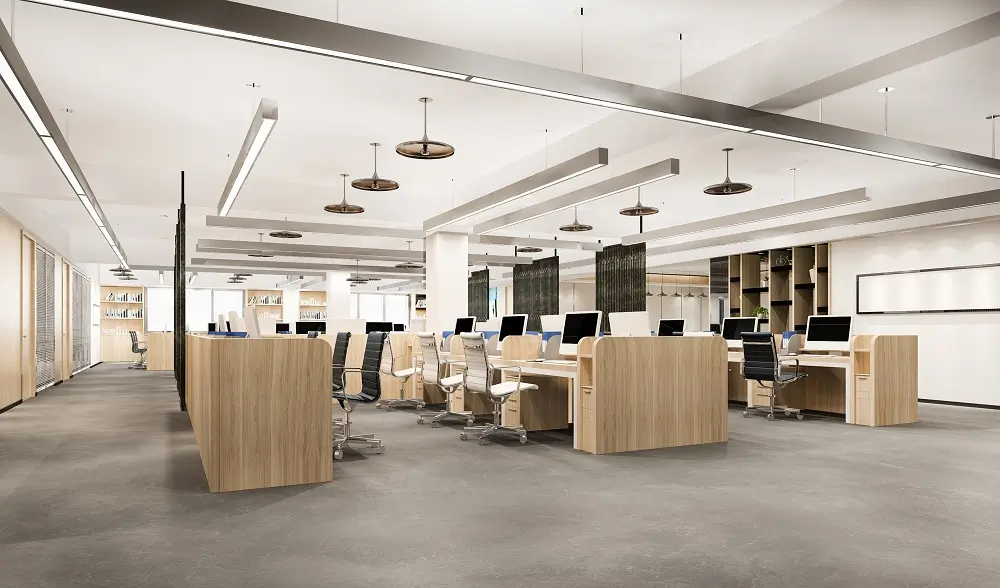
Lighting plays a big role in office design. Poor lighting can cause eye strain, headaches, and low energy levels.
Natural light is the best and free option. Keep windows clear and avoid blocking sunlight with heavy furniture. Light-colored walls also help reflect light and make the office feel brighter.
If natural light is limited, use affordable LED lights. They are energy-efficient and last longer, which saves money in the long run. Good lighting instantly improves the look and feel of an office.
Color Choices That Don’t Cost Much
Paint is one of the cheapest ways to change an office’s appearance. The right colors can make a small office look bigger, brighter, and more welcoming.
Light colors like white, beige, or light grey make the space feel open and clean. Soft colors like light blue or green create a calm working environment.
You do not need to paint the entire office. Even painting one wall can create a fresh look. This small change can have a big visual impact at a very low cost.
Simple Decoration Ideas on a Budget
Decoration does not have to be expensive. Simple and minimal decoration often looks more professional.
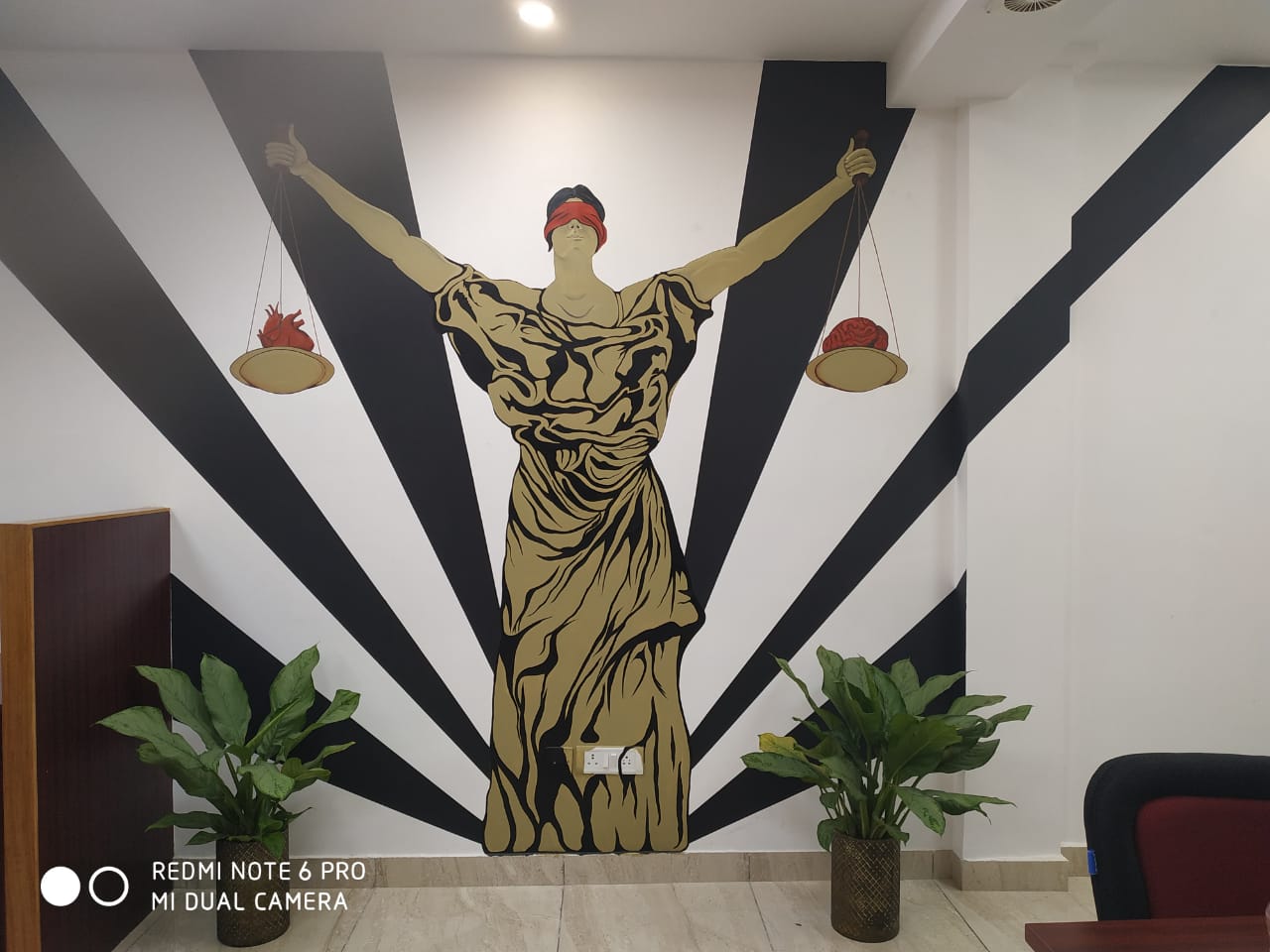
Wall art can be created using posters, framed quotes, or company values printed on paper. These ideas cost very little but add personality to the office.
Indoor plants are another low-cost decoration. They improve air quality and make the office feel more lively. Small plants on desks or shelves are enough to make a difference.
Storage Solutions Without High Costs
Clutter makes any office look messy and unprofessional. Smart storage is essential, especially in small spaces.
Use vertical storage like shelves instead of large cabinets. Wall-mounted shelves save floor space and are usually affordable.
Storage boxes, baskets, and file organizers help keep things in order. Clearly labeled storage also saves time and improves daily efficiency.
Technology Setup on a Budget
Technology is a necessary part of modern offices, but it does not need to be expensive.
Use only essential devices. Avoid buying unnecessary gadgets. Free or low-cost software can replace expensive tools for tasks like communication, project management, and accounting.
Organize cables properly using clips or ties. This simple step improves safety and makes the office look neat without any major expense.
Creating a Comfortable Work Environment
Comfort is very important for productivity. Employees who feel comfortable work better and stay motivated.
Ergonomic chairs may seem expensive, but basic comfort-focused chairs are available at reasonable prices. Proper desk height and monitor placement also improve comfort without extra cost.
Encourage short breaks and movement. Even a small area for stretching or relaxation helps create a positive work environment.
Cost Comparison Table for Budget Office Design
Below is a simple table showing budget-friendly alternatives for office design:
| Office Need | Expensive Option | Budget-Friendly Option |
|---|---|---|
| Furniture | New designer furniture | Second-hand or basic furniture |
| Lighting | Decorative lighting | LED lights and natural light |
| Decoration | Custom wall art | Printed posters and plants |
| Storage | Large cabinets | Wall shelves and boxes |
| Technology | Paid software | Free or low-cost tools |
This table shows that smart choices can reduce costs without reducing quality or comfort.
Long-Term Benefits of Budget Office Design
Designing an office on a shoestring does not mean poor quality. In fact, it often leads to smarter decisions and better use of resources.
A well-designed budget office improves employee satisfaction, boosts productivity, and leaves a good impression on clients. It also allows small businesses to invest saved money in growth areas like marketing, training, or technology.
Over time, these small design improvements create a strong foundation for business success.
Final Thoughts
Small business office design on a shoestring is all about smart thinking, simple ideas, and careful planning. You do not need a big budget to create a big impact. By focusing on function, comfort, and organization, any small business can design an office that supports growth and success.
Related Posts