The Art of the Huddle Room: Small, Smart Meeting Spaces
- Amodini Systems
- 0 Comments
A huddle room is becoming one of the most important spaces in modern offices. It is a small, smart meeting room designed for quick discussions, brainstorming, and collaboration. Today, companies of all sizes are using huddle rooms to save time, reduce big meeting costs, and improve communication among teams. This blog explains what a huddle room is, why it matters, and how it is transforming workplaces in simple, easy-to-understand words.
What Is a Huddle Room?
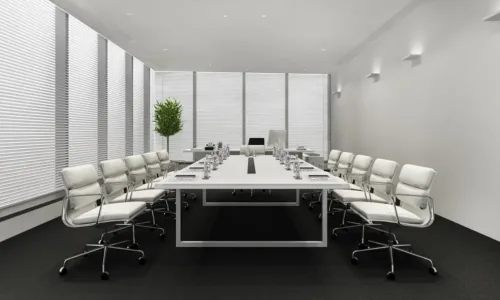
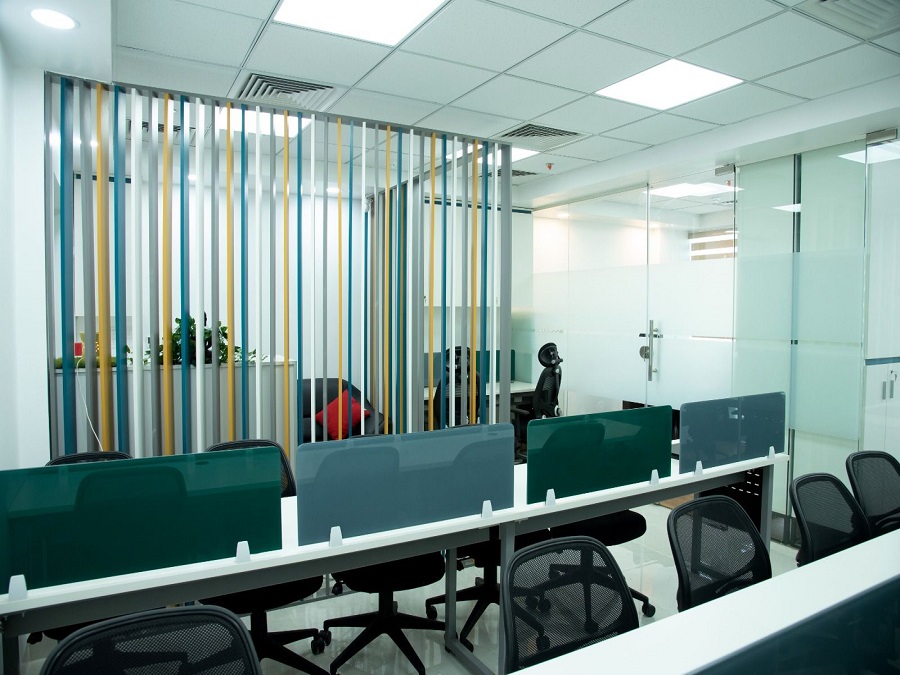
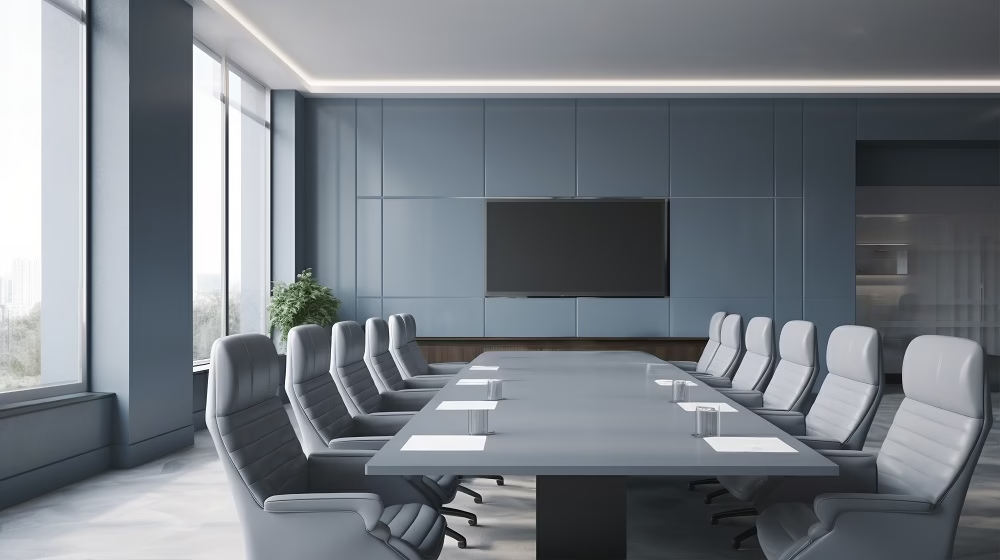
A huddle room is a small meeting space created for short conversations, quick team sessions, and focused discussions. It is smaller than a traditional conference room and usually fits 2 to 6 people. The purpose of the huddle room is to allow teams to meet instantly without booking big conference rooms or disturbing others.
These rooms are designed with smart technology like video conferencing tools, whiteboards, and noise-reduction features. This makes it easy for teams to connect, share ideas, and make decisions faster. Huddle rooms encourage teamwork and help employees stay productive because meetings are simple and direct.
Why Huddle Rooms Are Important in Modern Offices
Huddle rooms are important because they solve many problems that offices face today. Big conference rooms are often busy, expensive to maintain, and usually used for short discussions. This wastes time and space. Huddle rooms offer a simple solution by creating small spaces that serve a specific purpose.
They help teams collaborate better, reduce meeting delays, and make communication smoother. With remote and hybrid work becoming common, huddle rooms allow employees to connect with colleagues and clients through video calls. This makes teamwork easier even when people are not in the same place.
Benefits of Huddle Rooms for Businesses
Huddle rooms provide many helpful benefits that improve productivity and teamwork. Below are some of the major advantages explained in simple terms.
1. Faster Collaboration
A huddle room makes it easy for team members to enter a space, discuss ideas quickly, and take decisions faster. This reduces delays caused by waiting for large conference rooms to be free.
2. Better Use of Office Space
Many offices have unused corners or small areas. These spaces can be turned into huddle rooms to maximize space without big construction or high costs.
3. Improved Communication
Face-to-face discussions help teams understand each other better. Huddle rooms make it simple to communicate clearly in a quiet, private space.
4. Cost-Effective Meetings
Setting up a huddle room costs less than creating a large meeting room. They require less furniture, less equipment, and smaller space.
5. Supports Remote and Hybrid Teams
Most huddle rooms include video conferencing systems. This helps remote employees join meetings easily, increasing team connection.
Key Features of Smart Huddle Rooms
A successful huddle room includes a mix of smart tools, comfortable design, and user-friendly technology. Below is a simple table showing common features and how they help.
Common Features of Huddle Rooms and Their Benefits
| Feature | Benefit |
|---|---|
| Video conferencing system | Connects teams remotely and supports hybrid work |
| Whiteboards or digital boards | Helps in brainstorming and visual planning |
| Comfortable seating | Makes short meetings relaxed and focused |
| High-speed internet | Ensures smooth video calls and sharing |
| Soundproofing | Reduces noise and improves meeting privacy |
| Smart screens or monitors | Makes presentations easy and clear |
| Wireless connection tools | Allows easy sharing from laptops and phones |
These features make huddle rooms practical, smart, and efficient for everyday work.
Designing Huddle Rooms for Better Productivity
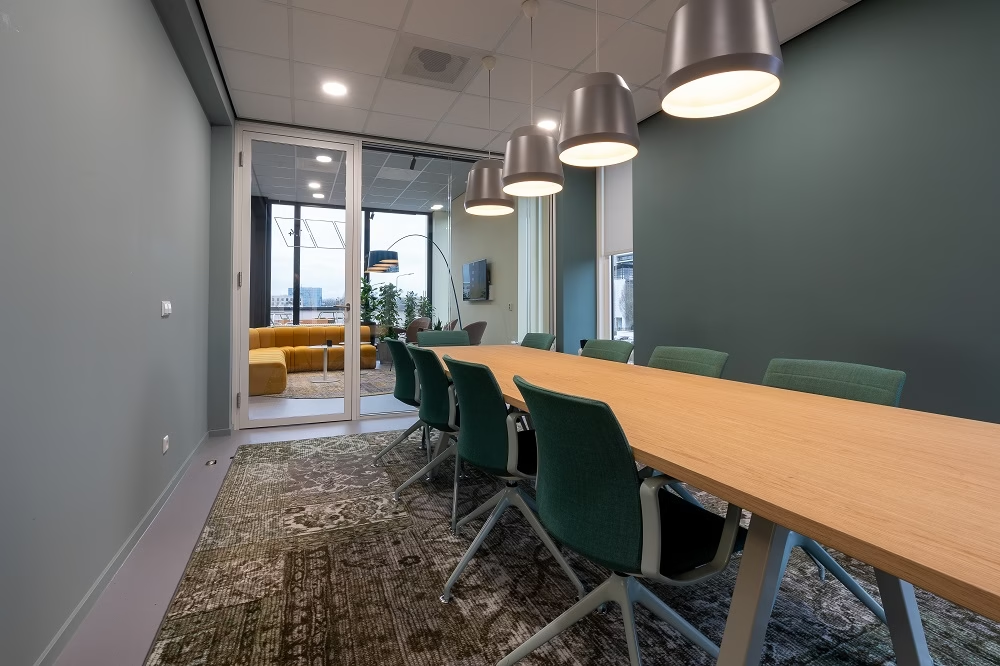
Designing a huddle room is not only about furniture. It is about creating a space that encourages teamwork. Small details like lighting, layout, and noise control can make a big difference in how teams use the space.
Focus on Comfort
Comfortable chairs, clean design, and good lighting help people feel relaxed. This leads to better conversations and productive meetings.
Keep Technology Simple
Technology should be easy to use. Complicated systems can waste time. Huddle rooms should have plug-and-play tools that anyone can operate.
Use Light Colors
Light colors make small rooms feel bigger and brighter. They also help people stay alert and focused.
Add Writing Surfaces
Teams often need to write and visualize ideas. Adding whiteboards or glass boards makes it easy to brainstorm.
Ensure Good Acoustics
Quiet spaces improve focus. Adding soundproof materials and soft furnishings helps reduce echo and outside noise.
How Huddle Rooms Improve Team Creativity
Huddle rooms encourage creativity because they create a relaxed space where ideas can flow freely. When team members gather in a small room, they feel more connected. This helps them share thoughts without fear or hesitation.
These rooms are perfect for brainstorming because they support free-flow discussions. Teams can write ideas on whiteboards, sketch concepts, and build solutions together. Creativity increases when people feel comfortable and supported by the environment.
How Huddle Rooms Reduce Meeting Fatigue
Long meetings inside large rooms often cause stress and tiredness. Huddle rooms help solve this problem by promoting short, focused discussions. People spend less time sitting through long presentations and more time taking meaningful action.
Short meetings also allow employees to return to their tasks quickly. This improves overall productivity and reduces frustration caused by unnecessary long meetings.

Huddle Rooms vs Traditional Conference Rooms
Below is a simple comparison to show how huddle rooms differ from traditional conference rooms.
Huddle Room vs Conference Room
| Feature | Huddle Room | Conference Room |
|---|---|---|
| Size | Small (2–6 people) | Large (10–20 people) |
| Purpose | Quick, focused discussions | Long meetings and presentations |
| Cost | Low cost | High cost |
| Flexibility | Very flexible | Less flexible |
| Setup | Quick and simple | More complex |
| Usage | Frequent short sessions | Scheduled long meetings |
This comparison shows why many companies now prefer huddle rooms for daily teamwork.
Why Every Modern Office Needs Huddle Rooms
Every modern office needs huddle rooms because the way people work has changed. Today, teams want fast decisions, flexible spaces, and easy technology. Traditional big meeting rooms cannot support these needs every time. Huddle rooms fill this gap by providing small, smart spaces that suit fast-paced work environments.
They help employees stay connected, save time, and collaborate better. From small businesses to large companies, every workplace benefits from having at least a few huddle rooms.
Conclusion:
Huddle rooms are more than just small meeting spaces. They are essential tools for improving teamwork, communication, and productivity in modern offices. With simple design, smart technology, and comfortable settings, huddle rooms make meetings easier and more efficient.
As businesses continue to adopt flexible and hybrid work models, the need for small, smart meeting rooms will only grow. Investing in huddle rooms is not just a design choice. It is a strategic step toward building a more connected and productive workplace.
If you want to create a modern office that encourages teamwork, supports remote collaboration, and uses space wisely, huddle rooms are the best solution. They transform daily work, reduce stress, and make meetings more meaningful.
Related Posts